

Modern industries rely on highly accurate flow regulation systems to ensure operational safety, product quality, and process efficiency. Among the various industrial valves available today, needle valves are widely recognized for their exceptional ability to regulate the flow of liquids and gases with remarkable precision.
Industries such as oil and gas, pharmaceuticals, chemical processing, food manufacturing, water treatment, and power generation depend heavily on these valves for reliable performance. When discussing Needle Valves in Ahmedabad: Precision Flow Control Explained, It becomes evident why Ahmedabad has become an important manufacturing and supply hub for industrial valves.
The city’s strong engineering infrastructure, experienced manufacturers, and adherence to international quality standards have made it a preferred destination for businesses seeking dependable flow control solutions. This guide explores everything you need to know about needle valves, their working principles, applications, benefits, and selection process.
What Are Needle Valves and Why Are They Used in Industries?
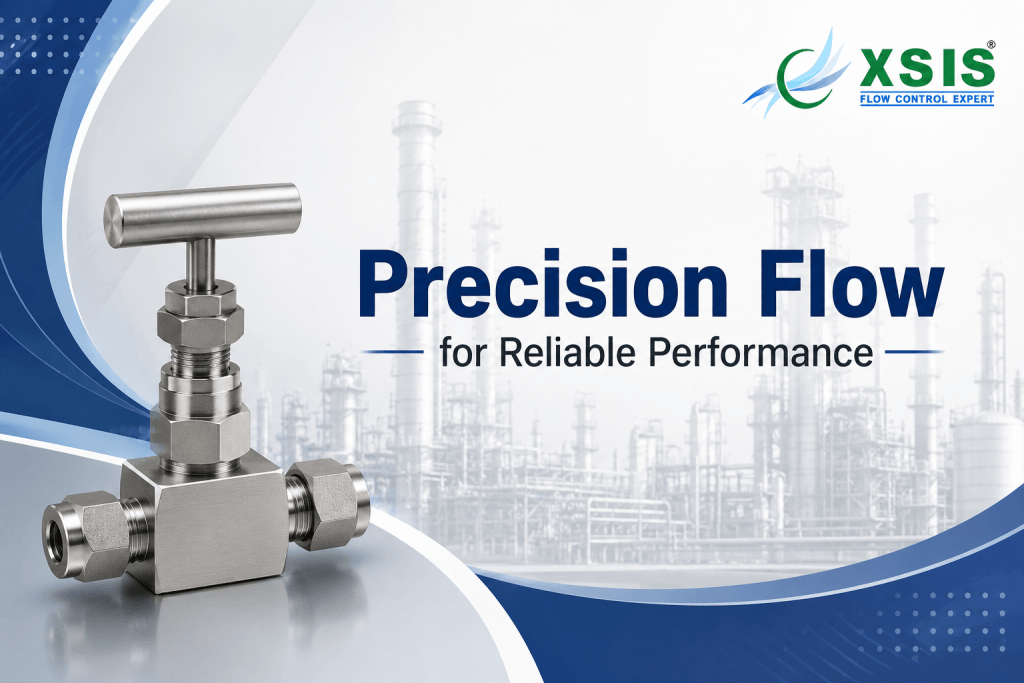
A needle valve is a precision flow control valve designed to regulate small flow rates accurately. Unlike conventional valves that primarily provide complete opening or closing, a needle valve allows operators to make extremely fine adjustments. The valve features a long, tapered needle-shaped stem that gradually enters or exits a matching seat, enabling precise control over fluid movement.
Industries choose Needle Valves in Ahmedabad: Precision Flow Control Explained because they deliver reliable flow regulation even under demanding pressure and temperature conditions. Their ability to minimize sudden pressure changes makes them ideal for instrumentation systems, laboratory equipment, hydraulic circuits, and gas distribution applications where precise measurement and controlled flow are essential.
Main Components of a Needle Valve
- Needle Stem: The tapered stem provides gradual opening and closing, allowing accurate adjustment of flow rates without causing pressure shocks.
- Valve Seat: The seat forms a tight seal with the needle, preventing leakage and ensuring dependable shut-off performance during operation.
- Valve Body: Manufactured from materials such as stainless steel, brass, carbon steel, or alloy steel, the body provides structural strength and corrosion resistance.
- Handwheel or Actuator: Most industrial needle valves use manual handwheels, while automated systems may employ electric or pneumatic actuators for enhanced process control.
- Packing and Seals: High-quality packing materials prevent leakage around the valve stem while maintaining smooth operational movement over extended service periods.
How Do Needle Valves Work for Precision Flow Control?
The unique working mechanism of needle valves is what distinguishes them from other flow control valves. As the operator rotates the handwheel, the threaded stem moves the tapered needle slowly toward or away from the valve seat. This gradual movement creates a very small flow opening that allows precise adjustment of liquid or gas flow.
One of the primary reasons industries invest in Needle Valves in Ahmedabad: Precision Flow Control Explained is their ability to provide exceptional accuracy. Instead of sudden flow changes, these valves enable smooth and incremental regulation, reducing turbulence, protecting sensitive instruments, and improving overall process stability.
Step-by-Step Working Process
- Fluid Enters the Valve: The process fluid enters the valve through the inlet under system pressure. It then moves towards the valve seat for controlled regulation.
- Needle Position Determines Flow: The tapered needle gradually changes the size of the flow opening. This allows precise control over the amount of fluid passing through.
- Accurate Flow Adjustment: Small handwheel movements provide fine adjustments to the flow rate. This ensures accurate regulation in sensitive industrial and instrumentation systems.
- Leak-Free Shut-Off: When fully closed, the needle fits tightly against the valve seat. This creates a secure seal that prevents leakage and pressure loss.
- Continuous Process Stability: Smooth flow regulation maintains consistent pressure throughout the system. It also improves operational efficiency and product quality.
Which Industries Commonly Use Needle Valves in Ahmedabad?
Ahmedabad has developed into one of India’s leading industrial manufacturing centers. Numerous sectors depend on high-quality needle valves to ensure efficient process control, accurate instrumentation, and safe handling of fluids. Reliable manufacturers offering Needle Valves in Ahmedabad: Precision Flow Control Explained service to both domestic industries and international markets. Because needle valves are capable of handling high-pressure applications while providing exceptional precision, they remain essential components across several industrial sectors.
- Oil and Gas Industry: Needle valves regulate fuel, crude oil, natural gas, and hydraulic fluids in upstream, midstream, and downstream operations. Their precise flow control helps maintain safe pressure levels and protects critical instrumentation from sudden pressure fluctuations.
- Chemical Processing Plants: Chemical industries require valves capable of handling corrosive chemicals while maintaining accurate flow regulation. Stainless steel and alloy needle valves provide excellent chemical resistance and long operational life.
- Pharmaceutical Manufacturing: Precise dosing and contamination-free processing are critical within pharmaceutical production. Needle valves ensure accurate fluid control while meeting stringent hygiene and quality standards required by regulated manufacturing environments.
- Water Treatment Facilities: Water purification plants use needle valves to regulate chemical dosing, filtration systems, and pressure balancing operations. Their accuracy contributes to consistent treatment efficiency and reliable plant performance.
- Power Generation: Power plants rely on needle valves to regulate steam, cooling water, lubrication systems, and instrumentation lines. Stable flow control improves equipment protection and enhances overall operational efficiency.
- Laboratory and Instrumentation Systems: Scientific laboratories and industrial instrumentation panels require extremely accurate flow regulation for testing, calibration, and analytical equipment.
What Are the Different Types of Needle Valves Available?
Selecting the appropriate needle valve depends on operating pressure, temperature, media compatibility, and the required level of flow precision. Manufacturers offering Needle Valves in Ahmedabad: Precision Flow Control Explained produce a wide range of valve designs to meet the needs of industries such as chemical processing, oil and gas, pharmaceuticals, water treatment, and power generation. Understanding these variations helps businesses choose the most efficient solution for their applications.
The right valve design not only improves operational efficiency but also reduces maintenance costs and increases equipment lifespan. Whether the application requires corrosion resistance, high-pressure handling, or compact installation, Ahmedabad manufacturers offer industrial needle valves that comply with national and international quality standards.
Stainless Steel Needle Valves
- Excellent Corrosion Resistance: Stainless steel offers outstanding resistance to rust, chemicals, and moisture. It ensures reliable performance even in harsh industrial environments.
- Suitable for Multiple Media: These valves can regulate water, steam, gases, oils, and chemicals with excellent precision. Their versatility makes them suitable for numerous industrial applications.
- Long Service Life: Their robust construction reduces wear and extends operational life. This helps minimize maintenance costs and equipment downtime.
High-Pressure Needle Valves
- Built for Extreme Pressure: These valves are specifically designed to withstand high-pressure operating conditions. They deliver safe and stable performance in demanding industrial systems.
- Leak-Free Performance: Precision-engineered components create a secure seal that prevents fluid leakage. This improves system safety and operational efficiency.
- Ideal for Critical Industries: They are widely used in oil and gas, hydraulic systems, and testing laboratories. Their reliable performance ensures accurate flow control under pressure.
Instrumentation Needle Valves
- Accurate Flow Regulation: These valves provide precise control of fluid and gas flow in sensitive instruments. They help maintain consistent readings and process accuracy.
- Supports Calibration Systems: Instrumentation needle valves safely isolate pressure gauges, analyzers, and transmitters. This simplifies maintenance and calibration without affecting the entire system.
- Improves Process Reliability: Stable flow regulation enhances measurement accuracy and protects sensitive equipment. This contributes to smooth and efficient industrial operations.
Hydraulic Needle Valves
- Precise Hydraulic Flow Control: Hydraulic needle valves provide smooth and accurate regulation of hydraulic oil. This helps prevent pressure surges and ensures stable system performance.
- Protects Hydraulic Equipment: Controlled fluid movement reduces stress on pumps, cylinders, and hydraulic motors. This extends equipment life and lowers maintenance costs.
- Improves Machine Efficiency: These valves enhance the overall performance of industrial machinery by maintaining consistent flow. They also contribute to safer and more reliable hydraulic operations.
Pneumatic Needle Valves
- Accurate Air Flow Regulation: Pneumatic needle valves precisely control compressed air in automation systems. This ensures smooth actuator movement and better process accuracy.
- Supports Automated Operations: They are widely used in pneumatic tools, control panels, and production lines. Their precision improves operational consistency and system efficiency.
- Energy-Efficient Performance: Proper air flow regulation reduces unnecessary air consumption and energy loss. This helps improve productivity while lowering operating costs.
Brass Needle Valves
- Ideal for Low-Pressure Applications: Brass needle valves are suitable for water, air, and other non-corrosive fluids. They deliver reliable flow control in commercial and light industrial systems.
- Cost-Effective and Easy to Install: Their affordable price and simple installation make them a practical choice. They offer dependable performance without increasing maintenance expenses.
- Widely Used in Utility Systems: Brass needle valves are commonly installed in HVAC systems and compressed air networks. They provide efficient operation where corrosive media are not involved.
How Do You Choose the Right Needle Valve for Your Application?
Choosing the correct valve involves more than simply selecting the appropriate size. Engineers must evaluate operating conditions, process requirements, fluid properties, and maintenance expectations before making a decision. Businesses Investing in Needle Valves in Ahmedabad: Precision Flow Control Explained benefit from consulting experienced manufacturers who can recommend suitable valve specifications for their industrial processes.
A properly selected needle valve improves system performance, reduces maintenance frequency, and minimizes operational downtime. Careful evaluation ensures that the valve performs efficiently throughout its service life while meeting industry safety standards.
Consider the Operating Pressure
- Check the Pressure Rating: Always select a needle valve with a pressure rating suitable for your system. This ensures safe operation and prevents premature valve failure.
- Choose High-Pressure Valves When Needed: High-pressure applications require specially designed valves that meet international standards. These valves provide reliable performance under demanding conditions.
- Ensure Long-Term Reliability: Using the correct pressure-rated valve reduces equipment stress and maintenance costs. It also improves overall system safety and efficiency.
Evaluate the Working Temperature
- Match the Temperature Range: Choose a valve that can withstand your system’s operating temperature. This helps maintain reliable sealing and structural integrity.
- Select Suitable Valve Materials: Stainless steel and alloy materials perform well in extreme temperatures. They resist deformation and maintain consistent performance over time.
- Prevent Performance Issues: Temperature-compatible valves minimize leakage and material damage. This ensures smooth operation and extends the valve’s service life.
Understand the Process Media
- Identify the Type of Fluid: Different liquids and gases require valves made from compatible materials. This prevents corrosion, contamination, and performance issues.
- Choose the Right Material: Stainless steel is ideal for corrosive chemicals, while brass suits water and compressed air. Selecting the correct material improves durability and safety.
- Improve System Efficiency: A valve matched to the process media delivers reliable flow control and longer operational life. It also reduces maintenance and replacement costs.
Select the Correct Valve Size
- Ensure Accurate Flow Control: Choosing the correct valve size provides precise flow regulation without unnecessary pressure loss. It also improves overall system efficiency.
- Avoid Oversized or Undersized Valves: Oversized valves reduce control accuracy, while undersized valves restrict fluid flow. Proper sizing ensures optimal valve performance.
- Consult Experienced Manufacturers: Professional manufacturers recommend the ideal valve size based on flow calculations and system requirements. This helps achieve reliable and efficient operation.
Check End Connection Types
- Choose Compatible Connections: Needle valves are available with threaded, socket weld, butt weld, and compression connections. Selecting the right type ensures secure installation.
- Reduce Leakage Risks: Properly matched end connections create tight seals and minimize fluid leakage. This improves system safety and reliability.
- Simplify Installation and Maintenance: Compatible connections reduce installation time and future maintenance efforts. They also help lower overall operating costs.
Verify Industry Certifications
- Look for Certified Products: Choose valves that comply with standards such as ISO, API, ASME, or CE. Certified products meet strict quality and safety requirements.
- Ensure Reliable Performance: Certified valves undergo extensive testing for durability, pressure resistance, and sealing efficiency. This guarantees dependable operation in industrial applications.
- Improve Safety and Compliance: Using certified needle valves helps industries meet regulatory standards and maintain safe operations. It also enhances long-term system reliability.
What Are the Benefits of Using Needle Valves in Industrial Systems?
The increasing demand for Needle Valves in Ahmedabad: Precision Flow Control Explained is driven by the numerous operational advantages these valves provide. Their precision, durability, and versatility make them indispensable components in industries requiring controlled fluid movement and accurate instrumentation.
Beyond simple flow regulation, needle valves contribute to equipment protection, process optimization, energy efficiency, and reduced operational costs. Their reliable performance makes them one of the most valuable investments in modern industrial systems.
Exceptional Flow Accuracy
- Precise Flow Regulation: Needle valves provide highly accurate control over the flow of liquids and gases. This ensures stable process conditions and consistent performance.
- Ideal for Sensitive Applications: They are widely used in laboratories, pharmaceutical plants, and instrumentation systems. Their precision supports accurate measurements and process control.
- Improves Product Quality: Consistent flow adjustment reduces process variations and enhances production efficiency. This leads to better product quality and operational reliability.
Excellent Leak Prevention
- Reliable Sealing Performance: The tapered needle and precision-machined seat create a tight, leak-free seal. This prevents fluid loss even under high-pressure conditions.
- Enhances Workplace Safety: Leak prevention reduces the risk of hazardous fluid exposure and accidents. It also helps maintain a clean and safe working environment.
- Minimises Product Loss: Effective sealing prevents unnecessary wastage of valuable process fluids. This improves efficiency while reducing operational costs.
Long Service Life
- Durable Construction: Needle valves are manufactured from stainless steel, carbon steel, and alloy steel for maximum durability. These materials withstand harsh industrial conditions.
- Reduced Wear and Tear: Their robust design minimizes component wear during continuous operation. This extends the valve’s service life and ensures dependable performance.
- Lower Maintenance Costs: Longer operating life reduces the need for frequent replacements and repairs. This helps industries save on maintenance and downtime expenses.
Superior Pressure Control
- Smooth Pressure Regulation: Needle valves allow gradual pressure adjustments to maintain stable system performance. This protects pipelines and sensitive equipment from sudden pressure changes.
- Protects Industrial Equipment: Controlled pressure reduces stress on pumps, gauges, and instrumentation devices. This extends equipment life and improves operational reliability.
- Enhances Process Safety: Stable pressure control minimizes the risk of system failures and unexpected shutdowns. It also supports safe and efficient industrial operations.
Wide Industrial Compatibility
- Handles Various Fluids: Needle valves are suitable for liquids, gases, steam, hydraulic fluids, and chemicals. Their versatility makes them ideal for diverse industrial applications.
- Used Across Multiple Industries: They are commonly installed in chemical plants, power stations, pharmaceutical units, and water treatment facilities. Their reliable performance meets different process requirements.
- Supports Diverse Applications: From instrumentation systems to heavy industrial processes, needle valves deliver accurate flow control. They improve efficiency across a wide range of operations.
Low Maintenance Requirements
- Simple and Reliable Design: Needle valves are designed for dependable operation with minimal maintenance. Their robust construction ensures long-term performance.
- Easy Routine Maintenance: Regular inspections, cleaning, and lubrication help maintain smooth valve operation. These simple practices prevent unexpected failures.
- Reduces Operating Costs: Low maintenance requirements minimize downtime and repair expenses. This makes needle valves a cost-effective solution for industrial systems.
How Should Needle Valves Be Maintained for Long-Term Performance?
Proper maintenance is essential to maximize the service life and efficiency of industrial valves. Although Needle Valves in Ahmedabad: Precision Flow Control is known for its durability and low maintenance requirements, routine inspection and preventive servicing ensure consistent flow regulation and leak-free operation. Well-maintained valves reduce downtime, improve workplace safety, and minimize unexpected repair costs.
Industrial facilities should establish a scheduled maintenance program based on operating conditions, fluid type, pressure levels, and manufacturer recommendations. Regular monitoring allows operators to detect minor issues before they become major failures, helping maintain uninterrupted production and protecting expensive process equipment.
Inspect for External Leakage
- Perform Regular Inspections: Check the valve stem, body, and end connections for any signs of leakage. Early detection helps prevent major operational issues.
- Repair Leaks Promptly: Even minor leaks should be addressed immediately to avoid product loss and safety hazards. Timely repairs improve system efficiency.
- Maintain Safe Operations: Routine inspections help ensure compliance with industrial safety standards. They also reduce the risk of unexpected equipment failures.
Keep the Valve Clean
- Remove Dirt and Debris: Clean the valve regularly to remove dust, corrosion, and process contaminants. This helps maintain smooth valve operation.
- Prevent Material Build-Up: Frequent cleaning prevents deposits that may restrict flow or affect valve accuracy. It also extends the service life of the valve.
- Follow a Cleaning Schedule: Valves used with corrosive or abrasive media require more frequent maintenance. Regular cleaning ensures consistent performance in demanding conditions.
Operate the Valve Smoothly
- Avoid Excessive Force: Do not overtighten or force the handwheel beyond its operating limits. This protects the needle, seat, and stem from damage.
- Adjust Flow Gradually: Open and close the valve slowly to achieve precise flow control. Gradual operation reduces pressure shocks within the system.
- Extend Valve Lifespan: Smooth operation minimizes wear on internal components and improves reliability. It also helps maintain long-term performance and accuracy.
Lubricate Moving Parts
- Apply Suitable Lubricants: Use manufacturer-recommended lubricants on the valve stem and moving components. Proper lubrication reduces friction and ensures smooth operation.
- Minimise Wear and Tear: Regular lubrication protects internal parts from excessive wear during operation. This helps extend the valve’s service life.
- Prevent Corrosion: Approved lubricants provide additional protection against rust and corrosion. They also help increase maintenance intervals in demanding environments.
Replace Worn Seals and Packing
- Inspect Seals Regularly: Check packing materials and seals for signs of wear or deterioration. Early inspection helps prevent leakage and unexpected failures.
- Use Genuine Replacement Parts: Replace worn components with manufacturer-approved parts for reliable performance. This restores the valve’s sealing efficiency.
- Maintain Long-Term Reliability: Timely replacement of seals ensures leak-free operation under varying pressure and temperature conditions. It also extends the valve’s operational life.
Follow Manufacturer Guidelines
- Follow Installation Instructions: Install and operate the valve according to the manufacturer’s recommendations. Proper installation ensures safe and efficient performance.
- Perform Recommended Maintenance: Adhering to the suggested maintenance schedule improves reliability and reduces downtime. It also helps maximize the valve’s service life.
- Seek Technical Support When Needed: Leading manufacturers provide maintenance manuals and technical assistance for proper valve care. Their guidance helps maintain optimal performance over time.
Why Choose Needle Valve Manufacturers in Ahmedabad?
Ahmedabad has established itself as one of India’s most trusted industrial manufacturing hubs, supplying high-quality valves to domestic and international markets. Businesses looking for Needle Valves in Ahmedabad: Precision Flow Control Explained benefit from the city’s advanced engineering capabilities, skilled workforce, and commitment to international quality standards.
Manufacturers in Ahmedabad produce precision-engineered needle valves for a wide range of industries, including oil and gas, pharmaceuticals, chemicals, food processing, water treatment, and power generation. Their ability to offer customized solutions, competitive pricing, and dependable after-sales support makes them a preferred choice for industrial buyers.
High Manufacturing Standards
- Advanced Manufacturing Technology: Leading manufacturers use CNC machining and precision testing equipment to produce high-quality needle valves. This ensures consistent accuracy and reliable performance.
- Strict Quality Control: Every valve undergoes thorough inspection and testing before delivery. This guarantees dependable operation and dimensional precision.
- International Standard Compliance: Manufacturers follow ISO and other recognized quality standards during production. This ensures durable and reliable products for industrial applications.
Wide Product Range
- Multiple Valve Options: Suppliers offer stainless steel, brass, carbon steel, alloy steel, and high-pressure needle valves. This allows customers to choose products based on their application needs.
- Suitable for Diverse Industries: Hydraulic, pneumatic, and instrumentation needle valves are available for various industrial sectors. Their versatility supports a wide range of fluid control systems.
- One-Stop Industrial Solution: A comprehensive product range simplifies procurement from a single trusted manufacturer. It also ensures compatibility across different industrial applications.
Customised Engineering Solutions
- Tailored Valve Designs: Manufacturers provide customized valve designs based on specific industrial requirements. This ensures the valve matches the intended application perfectly.
- Flexible Specifications: Customers can choose pressure ratings, materials, and connection types to suit their systems. Customization improves both performance and safety.
- Enhanced Operational Efficiency: Custom-engineered needle valves optimize system performance and reliability. They also help industries comply with application-specific operational standards.
Competitive Pricing
- Cost-Effective Solutions: Ahmedabad manufacturers offer premium-quality needle valves at competitive prices. Efficient production processes help reduce overall procurement costs.
- Excellent Value for Money: Businesses receive durable and high-performance valves without compromising on quality. This makes them a smart investment for industrial applications.
- Ideal for Domestic and Export Markets: Competitive pricing benefits both Indian and international buyers. It makes Ahmedabad a preferred sourcing destination for industrial valves.
Technical Support and After-Sales Service
- Expert Product Assistance: Experienced engineering teams help customers select the right needle valve for their applications. They also provide installation and operational guidance.
- Reliable Troubleshooting Support: Manufacturers assist with maintenance recommendations and technical problem-solving. This ensures smooth and efficient system performance.
- Reduced Downtime: Strong after-sales service helps resolve issues quickly and minimizes operational interruptions. It also lowers long-term maintenance costs.
Global Supply Capability
- Worldwide Product Supply: Many Ahmedabad manufacturers export needle valves to international markets. Their products meet global quality and performance standards.
- Strong Export Network: Efficient logistics and export expertise ensure timely deliveries worldwide. This supports reliable supply for customers across different countries.
- Trusted International Quality: Compliance with recognized international standards enhances customer confidence. It also establishes Ahmedabad as a reliable industrial valve manufacturing hub.
Conclusion
Understanding Needle Valves in Ahmedabad: Precision Flow Control Explained is essential for industries seeking accurate, reliable, and scientific flow regulation. Needle valves play a critical role in controlling liquids and gases across applications ranging from instrumentation and hydraulic systems to chemical processing and power generation. Their precision, leak-free operation, and durability make them indispensable components in modern industrial processes.
Ahmedabad continues to strengthen its reputation as a leading manufacturing hub for industrial valves by offering high-quality products, advanced engineering, customized solutions, and competitive pricing. By selecting the right needle valve, following proper maintenance practices, and partnering with trusted manufacturers, businesses can improve operational efficiency, reduce maintenance costs, and ensure long-term system reliability.
Explore Our Recent Blog
- Valves for Oil and Gas Industry: Types, Functions, and Selection Guide
- Butterfly Valves in Ahmedabad: Working, Types, and Industrial Applications
- Plug Valves in Ahmedabad: Construction, Uses, and Advantages
- Diaphragm Valves in Ahmedabad: How They Work and Where They’re Used
- Safety Relief Valves in Ahmedabad
Frequently Asked Questions
1. What is a needle valve used for?
A needle valve is primarily used to regulate the flow of liquids and gases with exceptional precision. It allows operators to make fine adjustments that maintain stable pressure and accurate flow rates. This makes it ideal for instrumentation systems, hydraulic equipment, laboratory applications, and industrial process control.
2. Why are needle valves in Ahmedabad popular among industries?
Needle Valves in Ahmedabad: Precision Flow Control Explained are popular because Ahmedabad manufacturers produce high-quality valves that meet international standards while offering competitive pricing. Their products are widely used in chemical plants, pharmaceutical companies, oil and gas industries, and water treatment facilities. Reliable engineering, customization options, and dependable after-sales support further increase their popularity.
3. Which material is best for industrial needle valves?
The ideal material depends on the operating environment and process media. Stainless steel is widely preferred because it provides excellent corrosion resistance, strength, and long service life. Brass, carbon steel, and alloy steel are also suitable for specific industrial applications based on pressure, temperature, and chemical compatibility.
4. Can needle valves handle high-pressure applications?
Yes, specially designed high-pressure needle valves are engineered to withstand demanding pressure conditions while maintaining accurate flow control. They are commonly used in hydraulic systems, oil and gas facilities, testing laboratories, and industrial instrumentation. Choosing the correct pressure-rated valve is essential for safe and reliable operation.
5. How often should industrial needle valves be maintained?
Routine inspections should be performed according to operating conditions and manufacturer recommendations. Regular cleaning, leak inspection, lubrication where required, and replacement of worn seals help maintain reliable performance. Preventive maintenance significantly extends valve life and reduces the risk of unexpected equipment failure.
6. How do I select the right needle valve for my application?
Selecting the right valve requires evaluating operating pressure, temperature, fluid type, connection style, valve material, and flow requirements. Consulting experienced manufacturers helps ensure the chosen valve matches the application’s technical specifications. Proper selection improves efficiency, safety, and long-term operational performance.