

Butterfly Valves in Ahmedabad: Working, Types, and Industrial Applications have become an essential topic for industries seeking reliable, cost-effective, and high-performance flow control solutions. Butterfly valves are widely used across manufacturing, chemical processing, pharmaceutical plants, water treatment facilities, oil and gas operations, HVAC systems, food processing units, and power generation industries because of their compact design, lightweight construction, and efficient operation.
Businesses in Ahmedabad increasingly choose butterfly valves due to their durability, low maintenance requirements, and excellent sealing capabilities. Understanding Butterfly Valves in Ahmedabad: Working, Types, and Industrial Applications helps engineers, procurement managers, and plant operators select the right valve for different industrial processes.
Whether controlling water, steam, chemicals, gases, or slurry, butterfly valves offer excellent performance while reducing installation costs and operational downtime. This guide explains their working principle, available types, industrial uses, material selection, maintenance practices, and buying considerations.
What Are Butterfly Valves, and How Do Butterfly Valves Work?
Butterfly valves in Ahmedabad are quarter-turn rotary motion valves designed to regulate, isolate, or control the flow of liquids, gases, and semi-solid media. The valve consists of a circular disc mounted on a rotating shaft. When the handle or actuator turns the shaft by 90 degrees, the disc either allows or blocks fluid flow.
One of the primary reasons industries prefer butterfly valves is their compact design compared to gate valves in Ahmedabad or globe valves in Ahmedabad. Their lightweight construction makes installation easier while providing reliable shut-off performance even in large-diameter pipelines. Butterfly valves are suitable for both manual and automated operations.
How does it work?
- Valve Body: Forms the external structure of the butterfly valve and provides support for all internal components. It connects securely to the pipeline, ensuring strength, stability, and reliable performance under varying operating conditions.
- Disc: The disc is the primary flow-control component that rotates within the valve body to regulate or stop the flow of fluid. Its quarter-turn operation allows quick opening and closing while maintaining efficient flow control.
- Stem: The stem connects the actuator or handle to the disc, transferring rotational motion to open or close the valve. It is designed to withstand repeated operation while ensuring smooth and accurate movement.
- Seat: The seat creates a tight, leak-proof seal between the valve body and the disc when the valve is closed. It helps prevent fluid leakage and enhances the valve’s sealing efficiency and operational reliability.
- Actuator or Handle: The actuator or handle is used to operate the butterfly valve either manually or through automated systems such as pneumatic or electric actuators. It enables fast and precise control of fluid flow based on application requirements.
- Seals and Bearings: Seals and bearings minimize friction between moving parts, ensuring smooth valve operation and reducing wear over time. They also improve durability, extend service life, and maintain consistent performance in demanding industrial environments.
What Are the Different Types of Butterfly Valves?
Butterfly valves are available in several designs to meet the varying requirements of different industries and operating environments. The right type of butterfly valve depends on factors such as pressure ratings, operating temperatures, fluid characteristics, sealing requirements, and maintenance needs. Understanding the different types helps businesses choose the most suitable valve for achieving efficient flow control, reliable performance, and long service life.
Wafer Butterfly Valve
- Compact and Lightweight Design: Wafer butterfly valves are designed to fit between two pipeline flanges, making them compact and easy to install. Their lightweight construction also reduces installation time and overall system weight.
- Cost-Effective Solution: These valves are among the most economical butterfly valve options available for industrial applications. They provide reliable flow control while keeping installation and maintenance costs low.
- Ideal for General Applications: Wafer butterfly valves are commonly used in water treatment plants, HVAC systems, irrigation networks, and general industrial pipelines. They are suitable for low to medium-pressure applications.
Lug Butterfly Valve
- Threaded Lug Construction: Lug butterfly valves feature threaded inserts that allow the valve to be securely bolted between flanges. This design provides additional strength and installation flexibility.
- Easy Pipeline Maintenance: One section of the pipeline can be disconnected without affecting the other side of the system. This makes lug valves ideal for maintenance, repairs, and equipment replacement.
- Suitable for Isolation Services: These valves are widely used in industries requiring sectional isolation, including chemical processing, manufacturing plants, and water distribution systems.
Double Offset Butterfly Valve
- Reduced Seat Wear: The double offset design minimizes friction between the disc and the seat during operation. This significantly reduces wear and extends the service life of the sealing components.
- Improved Sealing Performance: These valves provide excellent sealing capabilities while operating efficiently under medium to high-pressure conditions. They are suitable for demanding industrial processes.
- Common Industrial Applications: Double offset butterfly valves are frequently used in power plants, oil and gas facilities, water treatment plants, and large industrial piping systems.
Triple Offset Butterfly Valve
- Metal-to-Metal Sealing: Triple-offset butterfly valves feature a unique metal-to-metal sealing design that provides exceptional leak-tight performance. This makes them suitable for critical and high-temperature applications.
- Handles Extreme Conditions: These valves are designed to withstand high pressures, elevated temperatures, and aggressive operating environments. They deliver reliable performance where conventional valves may fail.
- Used in Critical Industries: Triple-offset butterfly valves are widely used in refineries, petrochemical plants, power generation facilities, and offshore oil and gas operations.
High-Performance Butterfly Valve
- Superior Sealing Efficiency: High-performance butterfly valves provide excellent sealing under demanding operating conditions while maintaining low operating torque. They ensure reliable flow control with minimal leakage.
- Excellent Corrosion Resistance: Manufactured using premium materials, these valves resist corrosion from chemicals, seawater, and other aggressive media. This makes them suitable for harsh industrial environments.
- Ideal for Specialized Industries: High-performance butterfly valves are commonly used in chemical processing, pharmaceutical manufacturing, food processing, marine applications, and other industries requiring dependable valve performance.
Which Materials Are Used in Butterfly Valves?
The material used in a butterfly valve plays a crucial role in determining its durability, corrosion resistance, pressure-handling capability, and overall performance. Selecting the appropriate material depends on the type of fluid, operating temperature, pressure conditions, and the surrounding environment. Choosing the right valve material helps improve reliability, reduce maintenance costs, and extend the service life of industrial piping systems.
Cast Iron Butterfly Valves
- Economical and Durable: Cast iron butterfly valves offer an affordable solution for low to medium-pressure applications while providing excellent structural strength. They are widely used where cost-effective flow control is required.
- Suitable for Water Systems: These valves are commonly installed in water supply networks, irrigation systems, and HVAC applications. Their reliable performance makes them ideal for handling non-corrosive fluids.
- Easy Installation and Maintenance: The robust construction of cast iron valves ensures dependable operation with minimal maintenance. They are suitable for general industrial applications with moderate operating conditions.
Ductile Iron Butterfly Valves
- Higher Mechanical Strength: Ductile iron offers greater tensile strength and flexibility than standard cast iron, making these valves more resistant to impact and mechanical stress. They perform well in demanding industrial environments.
- Excellent Pressure Resistance: These valves can handle higher operating pressures while maintaining structural integrity and reliable sealing performance. They are suitable for heavy-duty pipeline systems.
- Widely Used in Infrastructure: Ductile iron butterfly valves are commonly used in municipal water distribution, wastewater treatment plants, fire protection systems, and industrial process pipelines.
Stainless Steel Butterfly Valves
- Outstanding Corrosion Resistance: Stainless steel butterfly valves resist rust, oxidation, and chemical corrosion, making them suitable for harsh operating environments. They provide long-term reliability with minimal deterioration.
- Ideal for Hygienic Applications: These valves are widely used in pharmaceutical, food processing, beverage, dairy, and chemical industries where cleanliness and contamination control are essential.
- Suitable for Aggressive Media: Stainless steel valves can safely handle corrosive chemicals, acids, seawater, and high-purity fluids while maintaining excellent sealing performance.
Carbon Steel Butterfly Valves
- Designed for High-Pressure Applications: Carbon steel butterfly valves provide excellent strength and durability for demanding industrial systems operating under high pressure. They are suitable for heavy-duty service conditions.
- Performs Well at Elevated Temperatures: These valves maintain their mechanical properties in high-temperature environments, making them ideal for steam lines and thermal processing systems.
- Common in Oil and Gas Industries: Carbon steel butterfly valves are extensively used in refineries, petrochemical plants, power generation facilities, and oil and gas pipeline networks.
PVC Butterfly Valves
- Excellent Chemical Resistance: PVC butterfly valves are highly resistant to many acids, alkalis, and corrosive chemicals, making them ideal for chemical processing and water treatment applications. They perform reliably in environments where metal valves may corrode.
- Lightweight and Easy to Install: The lightweight construction of PVC valves simplifies transportation, handling, and installation while reducing labor costs. Their non-metallic design also makes them suitable for corrosion-prone environments.
- Ideal for Low-Pressure Systems: PVC butterfly valves are commonly used in irrigation systems, swimming pools, wastewater treatment plants, and chemical dosing applications. They provide cost-effective and dependable flow control for low to medium-pressure operations.
Where Are Butterfly Valves Used in Industrial Applications?
Butterfly valves are widely used across numerous industries due to their compact design, reliable sealing performance, and cost-effective operation. Their ability to regulate, isolate, and control the flow of liquids, gases, and other process media makes them an essential component in modern industrial piping systems.
From water treatment facilities to pharmaceutical plants and oil refineries, butterfly valves provide efficient flow control while reducing maintenance requirements and improving operational reliability.
Water Treatment Plants
- Flow Regulation: Butterfly valves control the flow of water during filtration, pumping, and distribution processes with high efficiency. Their quick operation helps maintain smooth and reliable plant performance.
- Reliable Isolation: These valves provide dependable shut-off during maintenance or emergency situations, allowing sections of the pipeline to be isolated safely. This minimizes downtime and improves operational safety.
- Corrosion-Resistant Options: Water treatment facilities often use coated or stainless steel butterfly valves to resist corrosion caused by moisture and treatment chemicals. This extends service life and reduces maintenance costs.
Chemical Processing Industry
- Handles Corrosive Chemicals: Butterfly valves manufactured from corrosion-resistant materials safely control the flow of acids, alkalis, solvents, and other aggressive chemicals. Proper material selection ensures long-term reliability.
- Supports Process Efficiency: Their fast quarter-turn operation enables accurate flow regulation and efficient isolation during chemical manufacturing processes. This improves productivity and operational control.
- Suitable for Harsh Environments: High-performance butterfly valves are designed to withstand challenging operating conditions, including corrosive media and elevated temperatures commonly found in chemical plants.
Oil and Gas Industry
- Controls Hydrocarbon Flow: Butterfly valves are widely used to regulate crude oil, natural gas, refined petroleum products, and process fluids throughout upstream, midstream, and downstream operations.
- Performs Under High Pressure: Heavy-duty butterfly valves are designed to operate reliably under high-pressure and high-temperature conditions. Their robust construction ensures safe and efficient pipeline operation.
- Improves Operational Safety: These valves provide quick shut-off capabilities during maintenance and emergency situations, helping protect personnel, equipment, and the environment from potential hazards.
Pharmaceutical Manufacturing
- Maintains Hygienic Standards: Sanitary butterfly valves are designed to prevent contamination while maintaining clean and sterile processing conditions. They support compliance with strict pharmaceutical quality requirements.
- Supports Clean-in-Place (CIP) Systems: These valves are compatible with automated cleaning and sterilization processes, reducing downtime and ensuring consistent product quality.
- Handles Sensitive Process Media: Stainless steel butterfly valves are commonly used to control purified water, pharmaceutical ingredients, and other high-purity fluids. Their corrosion resistance and smooth internal surfaces ensure safe and reliable operation.
Food and Beverage Industry
- Ensures Hygienic Processing: Food-grade butterfly valves are designed to meet strict hygiene standards and prevent contamination during production. They are widely used in processing milk, beverages, edible oils, dairy products, and other food items.
- Easy to Clean and Maintain: These valves feature smooth internal surfaces that support Clean-in-Place (CIP) and Sterilize-in-Place (SIP) systems. This helps maintain product quality while reducing cleaning time and maintenance efforts.
- Suitable for Food-Grade Applications: Stainless steel butterfly valves are commonly used because of their excellent corrosion resistance and compliance with food safety regulations. They provide reliable and safe flow control throughout the production process.
HVAC Systems
- Controls Heating and Cooling Flow: Butterfly valves regulate the flow of chilled water, hot water, and cooling water in HVAC systems. This ensures efficient temperature control and energy management in buildings.
- Improves System Efficiency: Their quick quarter-turn operation allows accurate flow regulation while reducing energy consumption and improving overall HVAC performance. They also help minimize pressure losses within the system.
- Ideal for Commercial and Industrial Buildings: Butterfly valves are widely installed in office buildings, hospitals, shopping centers, manufacturing facilities, and other large infrastructure projects requiring dependable flow control.
Power Generation Plants
- Regulates Critical Process Fluids: Butterfly valves control the flow of steam, cooling water, condensate, and auxiliary fluids in thermal, hydroelectric, and renewable power plants. Reliable flow control is essential for continuous power generation.
- Designed for High-Temperature Service: Heavy-duty butterfly valves are built to withstand elevated temperatures and pressures commonly found in power generation applications. Their robust construction ensures long-term operational reliability.
- Enhances Plant Safety and Reliability: These valves provide dependable isolation during maintenance and emergency shutdowns, helping protect equipment while reducing operational downtime and improving overall plant efficiency.
Why Choose Butterfly Valves in Ahmedabad for Industrial Applications?
Ahmedabad has become one of India’s leading industrial manufacturing hubs. Companies manufacturing butterfly valves offer high-quality engineering solutions supported by advanced production facilities.
Industries choose Butterfly Valves in Ahmedabad: Working, Types, and Industrial Applications because local manufacturers provide customized valve solutions, competitive pricing, faster delivery, technical expertise, and compliance with international quality standards. Buyers also benefit from strong after-sales support and readily available spare parts.
Advantages of Butterfly Valves
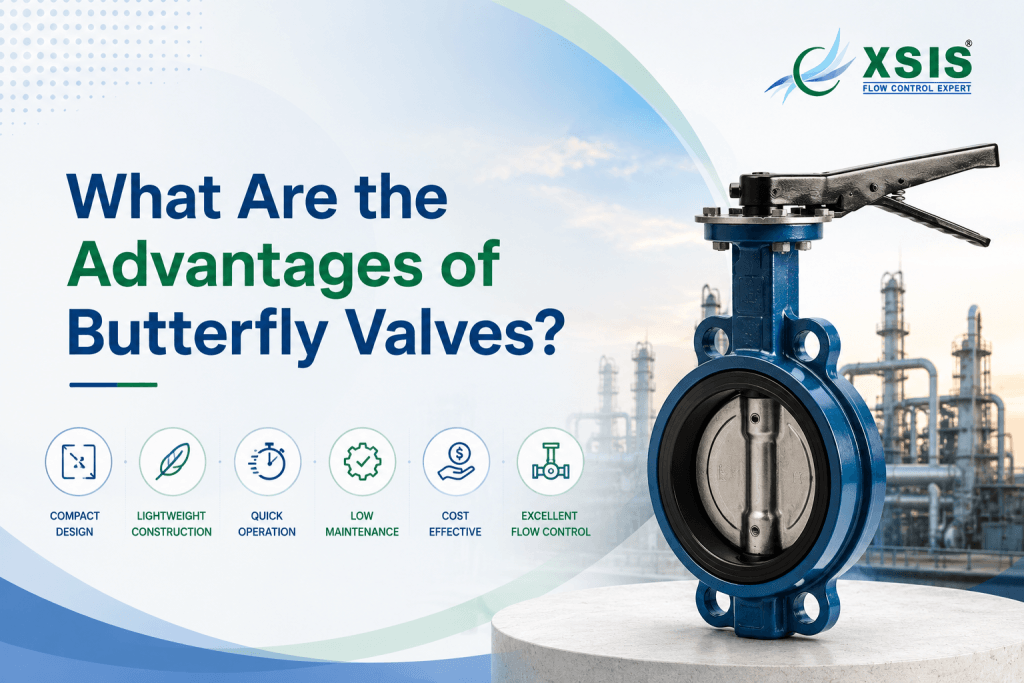
- Compact Design: Butterfly valves have a space-saving design that requires significantly less installation space than gate or globe valves. This makes them an excellent choice for compact piping systems and industrial facilities with limited installation areas.
- Lightweight Construction: Their lightweight design makes transportation, handling, and installation much easier while reducing labor costs. It also minimizes the structural load on piping systems, especially in large-diameter applications.
- Quick Operation: Butterfly valves operate with a simple quarter-turn (90-degree) mechanism, allowing rapid opening and closing of the valve. This fast operation improves process efficiency and makes them suitable for emergency shut-off applications.
- Low Maintenance: With fewer moving parts and a simple internal design, butterfly valves require minimal maintenance compared to many other valve types. Regular inspections and basic servicing are usually enough to ensure long-term reliable performance.
- Cost-Effective: Butterfly valves are generally more affordable to manufacture, install, and maintain than gate, globe, or ball valves of similar sizes. Their lower overall lifecycle cost makes them a preferred solution for many industrial applications.
- Excellent Flow Control: These valves provide efficient flow regulation and reliable shut-off for liquids, gases, and slurries across various industries. Their versatile design makes them suitable for both isolation and throttling applications while maintaining consistent performance.
How to Select the Right Butterfly Valve?
Selecting the right butterfly valve is crucial for achieving reliable performance, operational safety, and long-term cost savings. The ideal valve should match your system’s pressure, temperature, fluid characteristics, and automation requirements while complying with relevant industry standards. Careful evaluation of these factors helps minimize maintenance, improve efficiency, and extend the service life of both the valve and the entire piping system.
Consider the Operating Pressure
- Check Pressure Ratings: Ensure the butterfly valve’s pressure class matches or exceeds the maximum operating pressure of the pipeline. This helps prevent leakage, valve failure, and unexpected downtime.
- Account for Pressure Fluctuations: Industrial systems often experience pressure surges during operation. Choose a valve that can safely withstand these fluctuations without compromising performance.
- Follow Manufacturer Specifications: Always review the manufacturer’s pressure limits and technical data before purchasing. Using a valve within its recommended range improves safety and durability.
Evaluate Temperature Conditions
- Determine Operating Temperature: Identify the minimum and maximum temperatures your application will encounter. This ensures the valve materials can perform reliably under varying thermal conditions.
- Select Suitable Seat Materials: High-temperature applications require specialized seat materials such as PTFE or metal seats. Proper material selection improves sealing performance and extends valve life.
- Consider thermal expansion: Extreme temperatures can cause expansion or contraction of valve components. Selecting a valve designed for these conditions helps maintain consistent operation.
Understand the Fluid Type
- Identify the Process Media: Determine whether the valve will handle water, chemicals, steam, gases, oils, or slurry. Different fluids require different valve materials and sealing solutions.
- Check Chemical Compatibility: Corrosive or abrasive media can damage unsuitable valve materials over time. Choose materials that resist chemical attack and wear.
- Evaluate Flow Characteristics: Consider factors such as viscosity, solid particles, and flow velocity when selecting the valve. This helps achieve efficient flow control and reduces maintenance.
Select the Right Actuation
- Choose Manual Operation: Manual butterfly valves are ideal for applications where frequent operation or automation is not required. They offer a simple and cost-effective solution.
- Consider Automated Actuators: Electric, pneumatic, and hydraulic actuators provide remote operation and improved process control. They are suitable for automated industrial systems.
- Match the Application Requirements: Select the actuator type based on operating speed, available power source, and process conditions. The right actuator improves efficiency and operational reliability.
Verify Industry Standards
- Ensure Standards Compliance: Choose butterfly valves that comply with recognized standards such as ISO, API, ANSI, or BS. Compliance ensures consistent quality and dependable performance.
- Review Quality Certifications: Purchase valves from manufacturers with proven quality assurance and certified production processes. This increases confidence in product reliability and durability.
- Confirm Testing Requirements: Verify that the valve has undergone pressure, leakage, and performance testing before installation. Proper testing helps ensure safe operation in demanding industrial environments.
What Maintenance Practices Improve Butterfly Valve Performance?
Regular maintenance is essential to keep butterfly valves operating efficiently and to maximize their service life. A well-maintained valve reduces the risk of unexpected failures, minimizes downtime, and ensures consistent flow control in industrial systems. By following preventive maintenance practices, businesses can improve safety, reduce repair costs, and maintain optimal valve performance even in demanding operating conditions.
Regular Inspection
- Inspect Critical Components: Regularly examine the valve body, disc, stem, seat, and seals for signs of wear, corrosion, or physical damage. Early detection helps prevent costly repairs and unexpected breakdowns.
- Check Operational Performance: Operate the valve periodically to ensure smooth opening and closing without unusual resistance or vibration. Any irregular movement should be investigated immediately.
- Monitor External Conditions: Inspect the surrounding pipeline and connections for leaks, loose fasteners, or environmental factors that may affect valve performance over time.
Lubrication
- Lubricate Moving Parts: Apply the recommended lubricant to the stem, bearings, and other moving components as specified by the manufacturer. Proper lubrication reduces friction and ensures smooth operation.
- Use Suitable Lubricants: Always use lubricants compatible with the operating temperature and process media. Incorrect lubrication can damage seals and reduce valve efficiency.
- Follow Maintenance Schedules: Lubricate the valve at regular intervals based on operating conditions and manufacturer guidelines to extend component life and minimize wear.
Leak Testing
- Perform Routine Leak Checks: Conduct periodic leak tests to verify that the valve provides a proper seal during operation. Early identification of leaks prevents product loss and system inefficiencies.
- Inspect Sealing Surfaces: Examine the valve seat and disc for scratches, wear, or damage that could affect sealing performance. Damaged sealing surfaces should be repaired or replaced promptly.
- Test After Maintenance: Always perform leak testing after servicing or replacing valve components to ensure the valve operates safely and effectively.
Cleaning
- Remove Dirt and Debris: Clean the valve regularly to eliminate dust, rust, scale, and other contaminants that may interfere with valve operation. A clean valve performs more efficiently and lasts longer.
- Prevent Build-Up: In applications involving slurry or sticky media, remove accumulated deposits to prevent blockage and restricted disc movement. Routine cleaning improves flow control.
- Use Appropriate Cleaning Methods: Select cleaning agents and techniques that are compatible with the valve material to avoid corrosion or surface damage.
Scheduled Replacement
- Replace Worn Components: Change damaged seals, bearings, seats, and other wear parts before they fail completely. Timely replacement helps maintain reliable valve performance.
- Follow Manufacturer Guidelines: Replace components according to the recommended maintenance schedule rather than waiting for complete failure. Preventive maintenance reduces costly downtime.
- Maintain Spare Parts Inventory: Keep essential replacement parts readily available to minimize repair time and ensure continuous operation during maintenance activities.
Common Mistakes to Avoid When Purchasing Butterfly Valves
Purchasing the right butterfly valve is essential for ensuring efficient flow control, long service life, and safe industrial operations. Many buyers focus primarily on price without considering technical specifications such as pressure ratings, material compatibility, operating temperatures, and installation requirements.
Selecting an unsuitable valve can lead to leakage, frequent maintenance, reduced efficiency, and costly downtime. Understanding the most common purchasing mistakes helps businesses make informed decisions and invest in butterfly valves that deliver reliable performance for their specific industrial applications.
Common Mistakes Buyers Should Avoid
- Ignoring Pressure and Temperature Ratings: Always verify that the butterfly valve is designed to handle the operating pressure and temperature of your system. Using an incorrectly rated valve can result in premature failure and safety risks.
- Choosing the Wrong Valve Material: Selecting a material without considering the type of fluid being handled can lead to corrosion, wear, or chemical damage. Ensure the valve material is compatible with the application’s operating environment.
- Overlooking Seal and Seat Compatibility: Different sealing materials perform differently under varying temperatures and chemical conditions. Choosing the wrong seat material may reduce sealing efficiency and increase maintenance requirements.
- Selecting the Incorrect Valve Type: Wafer, lug, double-offset, and triple-offset butterfly valves are designed for different applications. Understanding their specific advantages helps ensure optimal performance and long-term reliability.
- Ignoring Automation Requirements: If the system requires remote or automated operation, selecting a manual valve can limit efficiency and future upgrades. Consider pneumatic, electric, or hydraulic actuators based on your operational needs.
- Buying Only Based on Price: The lowest-priced valve may not provide the best long-term value or performance. Investing in a high-quality butterfly valve from a trusted manufacturer helps reduce maintenance costs, downtime, and replacement expenses over time.
Conclusion
Understanding Butterfly Valves in Ahmedabad: Working, Types, and Industrial Applications enables industries to select reliable flow control solutions that improve efficiency, safety, and productivity. From water treatment and chemical processing to pharmaceuticals, HVAC, food manufacturing, and oil and gas operations, butterfly valves continue to play a critical role in modern industrial systems.
By evaluating valve types, construction materials, operating conditions, maintenance requirements, and manufacturer expertise, businesses can maximize performance while minimizing downtime and lifecycle costs. Choosing high-quality Butterfly Valves in Ahmedabad: Working, Types, and Industrial Applications from a trusted manufacturer ensures dependable operation, regulatory compliance, and long-term value for every industrial application.
Explore Our Recent Blog
- Industrial Valves for Food and Beverage Industry: What You Need to Know
- Top 5 Signs Your Industrial Valve Needs Replacement Right Now
- Industrial Valve Maintenance: Common Problems and How to Prevent Them
- How to Select Industrial Valve for Your Pipeline System in Ahmedabad
- Valves for Oil and Gas Industry: Types, Functions, and Selection Guide
Frequently Asked Questions
1. What is the primary function of a butterfly valve?
A butterfly valve controls, regulates, or completely stops the flow of liquids, gases, or semi-solid materials within a pipeline. It operates using a rotating disc that turns only 90 degrees. This simple mechanism provides fast and efficient flow control for numerous industrial applications.
2. Which industries commonly use butterfly valves?
Butterfly valves are widely used in water treatment, chemical processing, pharmaceuticals, food manufacturing, HVAC, oil and gas, marine applications, and power generation. Their compact design and reliable sealing make them suitable for diverse industrial processes. They are especially popular where quick operation and low maintenance are required.
3. What is the difference between wafer and lug butterfly valves?
Wafer butterfly valves fit between pipeline flanges and are generally more economical. Lug butterfly valves have threaded inserts that allow one side of the pipeline to be disconnected without affecting the other side. Lug valves are preferred for maintenance-intensive systems.
4. How long do butterfly valves typically last?
The lifespan depends on operating conditions, fluid characteristics, maintenance practices, and material quality. High-quality butterfly valves maintained properly can operate reliably for many years. Regular inspection and timely replacement of seals significantly extend service life.
5. Can butterfly valves be automated?
Yes, butterfly valves can be equipped with electric, pneumatic, or hydraulic actuators for automated operation. Automation improves efficiency, remote monitoring, and process control in modern industrial facilities. Automated butterfly valves are widely used in manufacturing and process industries.
6. How do I choose the right butterfly valve?
Selection depends on pressure rating, operating temperature, fluid compatibility, valve material, end connection, and automation requirements. Consulting experienced valve manufacturers helps ensure the valve matches the application’s technical demands. Proper selection improves performance while reducing maintenance and operational costs.