

Selecting the correct industrial valve plays a major role in ensuring reliable operations, energy efficiency, and long-term cost savings. One of the most common questions among industrial buyers is Plug Valve vs. Ball Valve: Which Should Ahmedabad Buyers Choose? Both valves are quarter-turn valves designed for quick shut-off, but they differ significantly in construction, sealing mechanism, maintenance requirements, and industrial applications.
For industries in Ahmedabad such as chemical processing, pharmaceuticals, food manufacturing, textiles, water treatment, oil & gas, and power generation, selecting the right valve directly impacts operational safety and productivity. Understanding Plug Valve vs. Ball Valve: Which Should Ahmedabad Buyers Choose? helps procurement teams, engineers, and plant managers invest in the most suitable solution for their specific process requirements.
What Is the Difference Between a Plug Valve and a Ball Valve?
Understanding the difference between a plug valve and a ball valve is important when comparing Plug Valve vs. Ball Valve: Which Should Ahmedabad Buyers Choose? Both valves are quarter-turn valves designed for quick shut-off and flow isolation, but their internal designs and applications differ. Plug valves use a rotating cylindrical or tapered plug to control fluid flow and are suitable for handling slurries, corrosive fluids, and viscous media.
Ball valves use a rotating spherical ball with a bore that provides excellent sealing, smooth flow, and low pressure loss. The right choice depends on factors such as fluid type, operating conditions, maintenance requirements, and industrial application needs.
Key Differences Between Plug Valve and Ball Valve
- Internal Design: Plug valves use a tapered or cylindrical plug that rotates inside the valve body to control flow. Ball valves use a spherical ball with a drilled passage for efficient fluid movement.
- Sealing Performance: Plug valves provide reliable isolation but may require lubrication for smooth sealing operation. Ball valves offer bubble-tight sealing with minimal leakage in critical applications.
- Flow Handling Capability: Plug valves are suitable for slurries, abrasive fluids, and high-viscosity materials. Ball valves perform better with clean liquids, gases, and applications requiring smooth flow.
- Maintenance Requirements: Plug valves may require regular lubrication and inspection to maintain performance. Ball valves generally need less maintenance due to their simple and efficient design.
- Operating Torque: Plug valves often require higher torque because of increased friction between components. Ball valves operate smoothly with lower torque requirements and quick response.
- Industrial Applications: Plug valves are commonly used in chemical, wastewater, and heavy-duty processing industries. Ball valves are widely used in pharmaceuticals, food processing, oil & gas, and water systems.
How Does a Plug Valve Work Compared to a Ball Valve?
Understanding how each valve operates is essential when comparing Plug Valve vs. Ball Valve: Which Should Ahmedabad Buyers Choose? Although both are quarter-turn valves that open or close with a 90-degree rotation, their internal mechanisms and sealing methods differ significantly.
A plug valve uses a tapered or cylindrical plug with a through-port that aligns with the pipeline to allow flow and rotates to block it. In contrast, a ball valve uses a hollow, perforated ball that provides a smooth flow path and creates a tight seal with valve seats. These design differences influence their performance, maintenance needs, operating torque, and suitability for various industrial applications.
Plug Valve vs. Ball Valve Working Comparison
- Operating Mechanism: A plug valve controls flow using a tapered or cylindrical plug, while a ball valve uses a rotating spherical ball with a central bore. Both require only a 90-degree turn for quick opening and closing.
- Flow Path Design: Plug valves have a simple straight-through passage that handles slurries and viscous fluids effectively. Ball valves provide a smooth full-port design that minimizes turbulence and pressure loss.
- Sealing Method: Plug valves seal through direct contact between the plug and valve body or sleeve, often requiring lubrication. Ball valves use soft or metal seats to create a bubble-tight seal with minimal leakage.
- Operating Torque: Plug valves generally require higher operating torque because of greater surface contact and friction. Ball valves operate more smoothly and usually need less force to open or close.
- Maintenance Requirements: Lubricated plug valves may require periodic maintenance to replenish sealing lubricant and ensure smooth operation. Ball valves typically need less maintenance due to their simpler sealing arrangement and self-cleaning ball rotation.
- Best-Suited Applications: Plug valves are ideal for handling abrasive, corrosive, and slurry media where clogging is a concern. Ball valves are better suited for clean liquids, gases, steam, and applications requiring reliable leak-tight isolation.
Which Valve Is Better for Ahmedabad Industries?
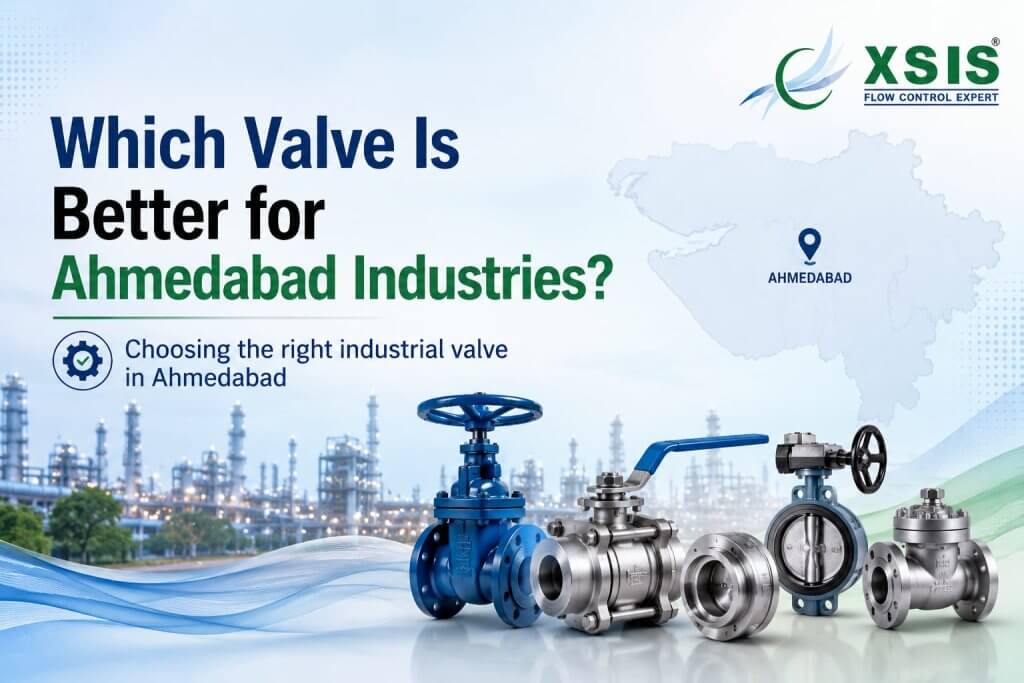
Choosing between Plug Valve vs. Ball Valve: Which Should Ahmedabad Buyers Choose? depends on the application, operating conditions, fluid characteristics, and maintenance expectations. Ahmedabad’s industrial sector includes chemical, pharmaceutical, textile, food processing, and manufacturing industries with different valve requirements. Plug valves are preferred for handling corrosive chemicals, slurries, and viscous fluids due to their robust design and clog-resistant performance.
Ball valves are widely used in food processing, pharmaceutical, water treatment, HVAC, and gas distribution systems because of their bubble-tight sealing and low-maintenance benefits. Their smoothbore design reduces pressure loss, minimizes contamination risks, and supports efficient operations. Selecting the right valve type helps Ahmedabad industries improve reliability, safety, and long-term process efficiency.
What Are the Advantages and Disadvantages of Plug Valves?
Plug valves are widely used in industrial piping systems because of their simple construction, quick operation, and ability to handle challenging media such as slurries, chemicals, and viscous fluids. When comparing Plug Valve vs. Ball Valve: Which Should Ahmedabad Buyers Choose?, understanding the benefits and limitations of plug valves helps industries select the right flow control solution.
These valves are especially preferred in applications where reliable shut-off, corrosion resistance, and reduced clogging are important. However, like every industrial valve, plug valves also have certain limitations related to maintenance, operating torque, and pressure handling capabilities.
Advantages of Plug Valves
- Excellent Flow Handling Capability: Plug valves feature a straight-through flow design that allows efficient movement of fluids, slurries, and viscous materials.
- Quick Quarter-Turn Operation: A plug valve requires only a 90-degree rotation to open or close the flow passage. This enables fast shut-off during routine operations and emergency situations, improving overall process efficiency.
- Suitable for Slurry and Corrosive Media: Plug valves perform effectively in systems containing abrasive particles, chemicals, and contaminated fluids.
- Simple and Durable Design: The straightforward internal structure of plug valves includes fewer moving parts, which improves durability and reduces the chances of mechanical failure.
- Reliable Isolation Performance: Plug valves provide effective shut-off capabilities, making them useful for isolation purposes in industrial piping systems.
- Available in Multiple Materials and Designs: Plug valves are manufactured using materials such as stainless steel, carbon steel, and corrosion-resistant alloys.
Disadvantages of Plug Valves
- Higher Operating Torque Requirement: Due to the large contact area between the plug and valve body, plug valves may require more force for operation.
- Regular Maintenance May Be Required: Lubricated plug valves require periodic lubrication to reduce friction and maintain proper sealing.
- Not Ideal for Precise Flow Control: Plug valves are mainly designed for isolation and on/off applications rather than accurate throttling. Using them for continuous flow regulation may cause premature wear.
- Higher Friction Between Components: The rotating plug creates friction against sealing surfaces, which can increase wear over time.
- Limited Suitability for Some High-Pressure Applications: Certain plug valve designs may not be suitable for extremely high-pressure systems. Industries must carefully evaluate pressure ratings before installation.
- Potential Leakage Due to Wear: Continuous operation without proper maintenance can damage sealing surfaces and increase leakage risks. Regular inspection helps maintain reliable performance.
What Are the Advantages of Ball Valves?
Ball valves are widely used in industrial piping systems because of their reliable shut-off performance, quick operation, and excellent durability. When comparing Plug Valve vs. Ball Valve: Which Should Ahmedabad Buyers Choose?, ball valves are often preferred for applications requiring tight sealing, low maintenance, and efficient flow control.
Their rotating spherical ball design creates a smooth passage for fluids, reducing pressure loss and improving overall system performance. Industries such as chemical processing, pharmaceuticals, oil & gas, food processing, and water treatment rely on ball valves for safe and effective fluid management.
Advantages of Ball Valves
- Bubble-Tight Sealing: Ball valves provide exceptional shut-off performance with minimal leakage, making them ideal for critical industrial processes.
- Low Pressure Drop: Their full-port design allows unrestricted flow, reducing energy consumption and improving overall system efficiency.
- Minimal Maintenance: Ball valves generally require less maintenance due to fewer wearing components and self-cleaning ball rotation.
- Fast Operation: The quarter-turn mechanism allows quick opening and closing during routine operations or emergency situations.
- Wide Industrial Compatibility: They are extensively used in oil & gas, pharmaceuticals, food processing, water treatment, and HVAC industries.
- Excellent Durability: High-quality ball valves offer long service life even under demanding operating conditions when correctly selected.
How Do You Choose Between a Plug Valve and a Ball Valve?
Selecting the right valve depends on the application requirements, operating conditions, and the type of fluid being handled. While comparing Plug Valve vs. Ball Valve: Which Should Ahmedabad Buyers Choose?, industries must consider factors such as pressure rating, temperature range, media characteristics, maintenance requirements, and flow control needs.
Plug valves are generally preferred for handling abrasive fluids, slurries, and corrosive materials because of their robust design and resistance to clogging. Ball valves are often selected for clean fluids, gases, and applications requiring excellent sealing, quick operation, and minimal maintenance. A proper valve selection process helps Ahmedabad industries improve efficiency, reduce downtime, and achieve reliable performance in industrial piping systems.
Factors to Consider When Choosing Between Plug Valve and Ball Valve
- Type of Fluid or Media: Plug valves are suitable for slurries, viscous fluids, and corrosive chemicals due to their clog-resistant design. Ball valves are better for clean liquids, gases, and applications requiring contamination-free flow.
- Pressure and Temperature Requirements: Valve selection should match the system’s operating pressure and temperature conditions for safe performance.
- Sealing and Leakage Control: Ball valves provide excellent bubble-tight sealing, making them ideal for critical shut-off applications. Plug valves offer reliable isolation but may require lubrication to maintain effective sealing performance.
- Maintenance Requirements: Plug valves may need regular lubrication and inspection to maintain smooth operation. Ball valves generally require less maintenance due to their simple design and efficient sealing system.
- Application and Industry Needs: Plug valves are commonly used in chemical, wastewater, and slurry-handling industries. Ball valves are preferred in pharmaceutical, oil & gas, food, and water treatment applications.
- Cost and Long-Term Value: Initial cost, installation expenses, and maintenance requirements should be evaluated before selection. Choosing the right valve type provides better performance and reduces long-term operational costs.
Which Industries in Ahmedabad Use Plug Valves and Ball Valves?
Ahmedabad is one of India’s major industrial hubs, with industries requiring reliable flow control solutions for efficient operations. When comparing Plug Valve vs. Ball Valve: Which Should Ahmedabad Buyers Choose?, the selection depends on industry requirements, fluid characteristics, operating conditions, and process safety standards.
Plug valves are widely used in industries handling abrasive materials, chemicals, and slurry-based fluids, while ball valves are preferred where tight shut-off, smooth flow, and low maintenance are essential. From chemical plants and pharmaceutical units to water treatment facilities and manufacturing industries, both valve types play an important role in maintaining safe and efficient industrial piping systems.
Industries Using Plug Valves
- Chemical Processing Industry: Chemical industries use plug valves for handling corrosive chemicals, aggressive fluids, and high-viscosity materials. Their durable construction helps ensure reliable operation in challenging chemical processing environments.
- Wastewater Treatment Plants: Plug valves are suitable for wastewater applications involving sludge, slurry, and contaminated fluids. Their clog-resistant design helps maintain smooth operation with minimal flow obstruction.
- Oil and Petrochemical Industry: Petrochemical plants use plug valves for isolation and control of demanding process fluids. They provide dependable performance in systems requiring strong sealing and durability.
- Pulp and Paper Industry: Plug valves handle thick fluids and fibrous materials commonly found in pulp processing systems. Their large flow passage reduces the risk of blockage during industrial operations.
- Mining and Mineral Processing: Mining industries use plug valves for abrasive slurries and particle-filled media applications. Their robust design supports reliable performance in harsh working conditions.
- Power Generation Industry: Power plants use plug valves in various auxiliary systems requiring dependable isolation. They help manage fluids efficiently while supporting safe maintenance operations.
Industries Using Ball Valves
- Pharmaceutical Industry: Pharmaceutical companies use ball valves for clean fluid handling and hygienic processing systems. Their leak-tight sealing helps maintain product quality and operational safety.
- Food and Beverage Industry: Ball valves are preferred for processing liquids where cleanliness and contamination control are important. Their smooth internal design supports efficient and hygienic fluid transfer.
- Oil and Gas Industry: Ball valves are widely used for controlling gases, fuels, and liquid hydrocarbons. Their quick operation and reliable sealing make them suitable for critical applications.
- Water Treatment Industry: Water treatment plants use ball valves for pipelines requiring efficient flow isolation. Their low maintenance design supports continuous and reliable system operation.
- Textile Industry: Textile manufacturing units use ball valves for controlling dyes, chemicals, and process fluids. They provide smooth operation and dependable flow management in production systems.
- HVAC and Industrial Utilities: Ball valves are commonly installed in heating, cooling, and utility piping systems. Their compact design and easy operation make them suitable for various applications.
What Should You Consider Before Buying Industrial Valves in Ahmedabad?
Selecting the right industrial valve is essential for ensuring safe operation, process efficiency, and long-term reliability in manufacturing plants. When evaluating Plug Valve vs. Ball Valve: Which Should Ahmedabad Buyers Choose?, buyers should consider several technical and operational factors before making a purchase decision.
The correct valve selection depends on fluid type, pressure conditions, temperature range, material compatibility, maintenance requirements, and application needs. Ahmedabad industries such as chemical processing, pharmaceuticals, textiles, food processing, and water treatment require valves that can withstand demanding operating environments while delivering consistent performance.
Factors to Consider Before Buying Industrial Valves
- Understand Application Requirements: Buyers should analyze the purpose of the valve, whether it is required for isolation, flow control, or emergency shutdown.
- Check Material Compatibility: Valve materials must be suitable for the fluid being handled to prevent corrosion and damage. Stainless steel, carbon steel, and alloy materials should be selected based on process conditions.
- Evaluate Pressure and Temperature Ratings: Industrial valves must withstand the operating pressure and temperature of the piping system. Choosing the correct rating improves safety, durability, and overall valve performance.
- Consider Valve Size and Flow Requirements: Proper valve sizing ensures smooth fluid movement and prevents pressure loss in the system. Incorrect sizing can reduce efficiency and increase operational problems.
- Review Maintenance and Service Needs: Buyers should consider inspection requirements, spare part availability, and maintenance frequency. Valves with easier servicing can reduce downtime and improve long-term productivity.
- Choose a Reliable Valve Manufacturer: Working with an experienced industrial valve manufacturer ensures better quality and technical support. Trusted manufacturers provide tested products, customization options, and reliable after-sales assistance.
Conclusion
Understanding Plug Valve vs. Ball Valve: Which Should Ahmedabad Buyers Choose? enables industrial buyers to make informed purchasing decisions based on operational requirements rather than price alone. Plug valves offer superior performance in slurry, abrasive, and corrosive applications, while ball valves provide excellent sealing, lower maintenance, and reliable operation for clean fluid systems.
For industries across Ahmedabad, selecting the right valve improves plant efficiency, minimizes downtime, enhances safety, and reduces long-term operational costs. Consulting a trusted industrial valve manufacturer helps ensure accurate valve selection, proper material compatibility, and dependable performance for every application.
Explore Our Recent Blog
- Plug Valves in Ahmedabad: Construction, Uses, and Advantages
- Diaphragm Valves in Ahmedabad: How They Work and Where They’re Used
- Safety Relief Valves in Ahmedabad
- Needle Valves in Ahmedabad
- Control Valves vs. On/Off Valves for Ahmedabad Industries
Frequently Asked Questions
1. What is the main difference between a plug valve and a ball valve?
The primary difference lies in their internal mechanism. Plug valves use a cylindrical or tapered plug, while ball valves use a rotating spherical ball. Both operate with a quarter-turn motion but differ in sealing performance, maintenance requirements, and suitable applications.
2. Which valve lasts longer in industrial applications?
Both valves can provide long service life when properly selected and maintained. Ball valves generally require less maintenance, whereas plug valves perform exceptionally well in abrasive and slurry applications with proper lubrication. Service life depends more on operating conditions than valve type.
3. Are ball valves better than plug valves?
Neither valve is universally better. Ball valves excel in clean fluid systems requiring leak-tight sealing, while plug valves perform better in handling viscous fluids, slurries, and corrosive chemicals. The best choice depends on process requirements.
4. Which industries in Ahmedabad commonly use plug valves?
Chemical processing, petrochemical plants, wastewater treatment facilities, mining operations, and slurry handling systems commonly use plug valves because they resist clogging and handle abrasive media efficiently. Their robust construction makes them suitable for demanding industrial environments.
5. Can plug valves and ball valves be automated?
Yes. Both valve types can be equipped with pneumatic, electric, or hydraulic actuators for automated industrial control systems. Automation improves operational efficiency, remote monitoring, and process safety in modern manufacturing facilities.
6. How can buyers select the right valve manufacturer in Ahmedabad?
Buyers should evaluate manufacturing quality, material certifications, testing standards, customization capabilities, technical support, delivery timelines, and after-sales service. Working with an experienced industrial valve manufacturer ensures reliable performance and compliance with industry standards.