

Water treatment plants play a critical function in making sure of stable and safe water for business, commercial enterprises, and domestic use. The performance of these facilities relies heavily on the reliable and consistent performance of the valves installed for the duration of the treatment process. From regulating water flow to controlling pressure and preventing contamination, valves are crucial components that at once affect operational reliability and overall system performance.
When deciding on the Best Industrial Valves for Water Treatment Plants in Ahmedabad, plant operators ought to consider factors such as fluid properties, working strain, corrosion resistance, safety requirements, and compliance with employer requirements. Ahmedabad has become an excellent business hub, with a growing demand for dependable valve solutions that can withstand harsh water treatment environments while maintaining long-term performance.
Why Are Industrial Valves Important in Water Treatment Plants?
Industrial valves are critical for controlling, directing, and regulating the flow of water at the end of numerous remedy degrees. They assist operators in controlling filtration, chemical dosing, sludge management, and distribution systems correctly. Without well-functioning valves, water treatment centers can face operational disruptions, reduced performance, and prolonged safety risks.
The developing commercial enterprise infrastructure in Ahmedabad has elevated the demand for superior valve technology capable of managing numerous water treatment requirements. Choosing the Best Industrial Valves for Water Treatment Plants in Ahmedabad ensures more efficient operation, better protection, and better resource control. Modern valves are designed to offer particular go with the flow regulation at the same time as minimizing electricity intake and operational downtime.
Key Benefits of Industrial Valves in Water Treatment
- Flow Regulation: Valves help maintain correct water flow rates throughout the treatment process. Proper operation improves overall performance and system stability.
- Pressure Management: Pressure-regulating valves prevent excessive pressure buildup and shield pipelines, pumps, and other devices from damage.
- Leak Prevention: High-quality valves ensure reliable sealing, maintain typical performance, and decrease the risk of water loss and contamination.
- Operational Safety: Safety valves help prevent dangerous conditions by controlling stress fluctuations and emergencies.
- Process Automation: Modern automatic valves combine with management systems for advanced monitoring and overall operational performance.
- Cost Efficiency: Durable valves reduce safety fees, reduce downtime, and increase the lifespan of water treatment infrastructure.
Which Types of Valves Are Commonly Used in Water Treatment Plants?
Water treatment plants depend on many valves to control water flow, regulate pressure, and ensure safe operation at specific treatment levels. Each valve type serves a specific purpose, from separating sections of a pipeline to regulating flow rates and preventing backflow. Selecting the right valve is vital for maintaining overall device performance and minimizing operational disruptions.
The most commonly used valves in water treatment centers consist of gate valves, butterfly valves, ball valves, globe valves, test valves, and control valves. These valves are selected primarily based on factors consisting of flow requirements, pressure conditions, maintenance needs, and the characteristics of the treated water. Together, they help ensure reliable and strong plant operations.
Common Types of Valves Used in Water Treatment Plants
- Gate Valves: Gate valves are widely used for full-bore isolation in pipelines. They offer minimum along with the waft resistance whilst fully open, making them ideal for on-off applications.
- Butterfly Valves: Butterfly valves are extensively used for flow manipulation and isolation in large-diameter pipelines. Their compact layout and quick operation make them appropriate for water treatment systems.
- Ball Valves: Ball valves offer excellent sealing, overall performance, and rapid on-off operation. They are generally used where reliable shut-off and flow control are required.
- Globe Valves: Globe valves are designed for particular flow control and throttling applications. They help maintain proper control over water flow and process control strategies.
- Check Valves: Check valves automatically prevent reverse flow in pipelines. They protect pumps and equipment from harm attributable to backflow conditions.
- Control Valves: Control valves regulate flow, pressure, and liquid levels automatically. They play an important role in improving performance and automation in water treatment plant operations.
How Do Butterfly Valves Benefit Water Treatment Facilities?
Butterfly valves are among the most widely used valves in water treatment facilities because of their compact layout, lightweight construction, and cost-effective operation. They are especially suitable for large-diameter pipelines in which flow control and isolation are required. Their smooth mechanism allows for quick start-up and shutdown, helping operators control water distribution correctly.
Many centers decide on butterfly valves because they offer a great deal, require less setup, and reduce maintenance compared to other valve types. Their capability to cope with excessive flow volumes while maintaining reliable overall performance makes them perfect for filtration systems, water distribution networks, and wastewater treatment applications. These benefits contribute to improved operational performance and reduced lifecycle costs.
Benefits of Butterfly Valves in Water Treatment Plants
- Compact Design: Butterfly valves occupy less area than many conventional valve types. This makes them ideal for installations wherein space is limited.
- Lightweight Construction: Their lightweight shape simplifies transportation, handling, and setup. It also reduces ordinary device load and maintenance requirements.
- Quick Operation: Butterfly valves use a quarter-turn mechanism for fast starting and stopping. This allows operators to respond quickly to changing conditions.
- Cost-Effective Solution: They are commonly much less expensive than gate and globe valves, specifically for huge pipeline applications. Lower installation and maintenance charges add to their price.
- Low Maintenance Requirements: With fewer inner components, butterfly valves enjoy much less wear and tear. This enables less frequent maintenance and operational downtime.
- Versatile Applications: Butterfly valves can be used in water consumption, filtration, distribution, and wastewater treatment systems. Their versatility makes them a preferred choice for the duration of numerous treatment strategies.
What Materials Are Best for Water Treatment Valves?
Selecting the proper valve fabric is vital for ensuring long-term performance and reliability in water treatment plant life. Valves are often exposed to moisture, chemical materials, wide temperature ranges, and stress fluctuations, making material selection an important detail. The appropriate fabric prevents corrosion, reduces maintenance requirements, and extends the service life of the valve.
The best fabric depends on the particular software program, water quality, and working conditions within the treatment facility. Commonly used materials include stainless steel, ductile iron, cast iron, bronze, PVC, and specialized alloys. Choosing a fabric that fits the remedy approach can drastically improve performance and reduce operational fees.
Best Materials for Water Treatment Valves
- Stainless Steel: Stainless steel provides first-rate corrosion resistance and sturdiness in stressful water treatment environments. It is commonly used in applications involving chemical substances and high-purity water systems.
- Ductile Iron: Ductile iron offers high tensile strength and impact resistance, making it appropriate for massive water distribution networks. It is likewise a cost-effective choice for many municipal water facilities.
- Cast Iron: Cast iron valves are normally applied in low-stress water systems due to their affordability and reliability. They are often positioned in elegant water distribution programs.
- Bronze: Bronze valves offer excellent corrosion resistance and prolonged service life in clean water systems. They are often implemented in smaller pipelines and low-strain structures.
- PVC and CPVC: PVC and CPVC valves are moderate-weight, corrosion-resistant, and suitable for dealing with numerous chemicals. They are satisfactory for specific treatment strategies wherein metal corrosion can be a concern.
- Specialized Alloys: Advanced alloys that incorporate duplex stainless steel and nickel-based substances provide excellent resistance to corrosion and harsh operating conditions.
How Do You Select the Right Valve for a Water Treatment Plant?
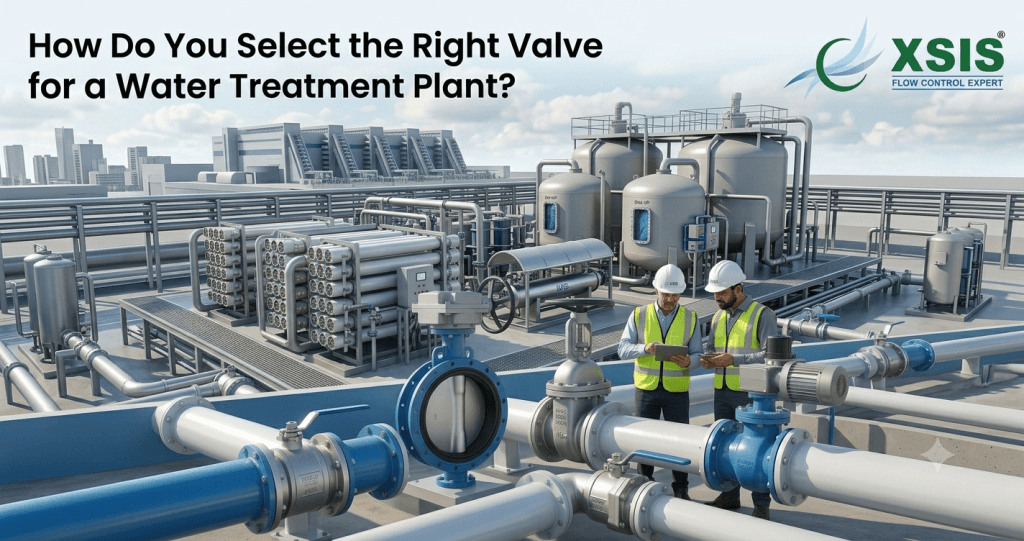
Selecting the proper valve for a water treatment plant requires careful assessment of the device’s operational necessities and environmental conditions. Factors such as flow rate, pressure ranges, water quality, temperature, and chemical compatibility all have an effect on valve performance. Choosing a suitable valve allows for green operation, reduced maintenance costs, and long-term reliability.
Plant operators should also consider valve material, automation requirements, installation environment, and compliance with enterprise requirements. Working with professional valve producers and vendors can simplify the selection process and ensure the chosen valve meets every cutting-edge and future operational need.
Key Factors for Selecting the Right Water Treatment Valve
- Flow Rate Requirements: The valve must be able to handle the specified flow rate without inflicting excessive pressure loss. Proper sizing guarantees the device’s normal performance.
- Operating Pressure: Select a valve that can withstand the maximum operating and surge pressures in the device. This helps prevent failures and extends device life.
- Water and Chemical Compatibility: The valve material has to be properly matched with the water quality and any remedial chemical compounds used. This reduces corrosion and improves durability.
- Valve Function: Determine whether or not the valve is needed for isolation, flow control, pressure regulation, or backflow prevention. Different programs require different valve types.
- Automation Requirements: Consider whether or not manual, electric-powered, pneumatic, or hydraulic actuation is wanted. Automated valves can improve overall performance and machine control.
- Maintenance and Lifecycle Costs: Evaluate preservation necessities, spare element availability, and long-term operating expenses. Choosing a long-lasting valve can reduce downtime and operating costs.
Why Are Automated Control Valves Becoming Popular?
Automated control valves have become increasingly popular in today’s water treatment plants because they enhance overall performance, accuracy, and operational reliability. These valves routinely adjust flow, pressure, and liquid levels based on real-time system needs, lowering the need for manual intervention. As water treatment centers continue to adopt smart technology, computerized valves play an important role in maintaining consistent treatment and overall performance.
The call for automation is also driven by the need to reduce operational costs and enhance device monitoring capabilities. Automated control valves can be integrated with SCADA and specialized control systems, permitting operators to monitor and manage processes remotely. This results in higher aid usage, quicker response times, and improved normal plant productivity.
Benefits of Automated Control Valves
- Precise Process Control: Automated valves continuously adjust flow and strain in line with process requirements. This ensures consistent performance and operational balance.
- Remote Monitoring and Operation: These valves may be linked to centralized control systems for real-time tracking. Operators can control valve performance without being physically present at the site.
- Reduced Human Error: Automation minimizes the need for manual adjustments and operational choices. This permits improved accuracy and reduces the risk of errors.
- Improved Energy Efficiency: Automated valves optimize flow conditions and decrease unnecessary energy intake. This contributes to lower operating expenses over the years.
- Predictive Maintenance Capabilities: Smart valves offer overall performance data and diagnostic information. This allows operators to perceive functionality issues earlier than they cause tool failure.
- Enhanced Operational Reliability: Automated systems ensure normal valve operation under varying environmental conditions. This improves overall plant performance and reduces downtime.
What Maintenance Practices Extend Valve Lifespan?
Proper maintenance is important for ensuring the long-term performance and reliability of an organisation’s valves in water treatment plants. Regular inspections and preventive maintenance help identify potential problems earlier than they become major breakdowns. A properly maintained valve operates more efficiently, reduces downtime, and lowers routine repair and replacement expenses.
Water treatment centers regularly experience continuous changes, exposing valves to stress fluctuations, moisture, chemical materials, and wear. Implementing a planned maintenance application permits increasing valve lifespan while maintaining safe and green plant operations. Consistent protection also improves device reliability and reduces the risk of unexpected shutdowns.
Essential Maintenance Practices for Industrial Valves
- Routine Inspections: Regular visual and operational inspections help catch leaks, corrosion, and component wear. Early identification of issues prevents expensive repairs and tool failures.
- Proper Lubrication: Lubricating moving parts reduces friction and wear at some points of valve operation. This helps preserve smooth performance and extends service life.
- Seal and Gasket Replacement: Worn seals and gaskets should be replaced without delay to prevent leakage. Maintaining proper sealing guarantees efficient and safe valve operation.
- Regular Cleaning: Dirt, debris, and mineral deposits could affect valve performance over time. Periodic cleaning helps preserve proper flow control and prevents internal damage.
- Performance Testing: Testing valves under everyday operating situations verifies their capability and responsiveness. This permits identifying potential performance problems in advance before they impact plant operations.
- Maintenance Record Keeping: Maintaining certain company records permits tracking valve scenarios, restoring records, and keeping up schedules. Accurate documentation helps with better asset management and preventive maintenance planning.
How Can Ahmedabad Industries Choose Reliable Valve Suppliers?
Choosing a reliable valve provider is crucial for ensuring the reliable, consistent overall performance and durability of water treatment systems. Ahmedabad industries need to evaluate companies primarily based on their production capabilities, product quality, company reputation, and ability to provide technical guidance. A dependable provider can assist companies in picking the most appropriate valve solutions for their specific operational needs.
Apart from product quality, industries also want to take into account after-sales support, customization options, and compliance with national and international requirements. Partnering with a skilled valve producer ensures everyday product availability, timely shipping, and professional guidance throughout the valve lifecycle, contributing to efficient and uninterrupted plant operations.
Key Factors to Consider When Selecting a Valve Supplier
- Industry Experience: Suppliers with extensive experience understand the demanding conditions of water treatment packages. Their data helps in recommending the right valve solutions for specific strategies.
- Quality Certifications: Look for providers that comply with recognized quality standards and certifications. Certified products generally provide higher reliability, protection, and consistent performance.
- Product Range: A company supplying a wide range of valve types can provide solutions for a couple of applications. This permits industries to deliver all their valve requirements from a single company.
- Technical Support: Reliable vendors provide expert consultation, installation guidance, and troubleshooting help. Strong technical help allows optimizing overall valve and equipment performance.
- Customization Capabilities: Some packages require specially designed valves to meet precise running conditions. Suppliers with customization capabilities can offer tailored solutions for specific application needs.
- After-Sales Service: Responsive after-sales support guarantees timely maintenance help, spare parts availability, and easy selection. This allows reduced downtime and maintains long-term operational reliability.
Conclusion
Selecting the Best Industrial Valves for Water Treatment Plants in Ahmedabad is crucial for keeping secure, green, and dependable treatment operations. The proper valve type, fabric, pressure rating, sealing solution, and automation preference can improve overall performance, reduce leakage, and support steady daily operations. Industries must carefully study their operating conditions, fluid requirements, pipeline needs, and safety goals before deciding on valves for their treatment systems.
Partnering with a reliable valve manufacturer or supplier can further simplify the selection process and ensure access to product-specific answers. High-quality valves can help lessen unexpected breakdowns, minimise upkeep requirements, and extend equipment life. For Ahmedabad industries, investing in long-lasting and well-suited water treatment valves can enhance operational performance, reduce downtime, and support reliable overall performance throughout filtration, distribution, wastewater, and other vital treatment processes.
Explore Our Recent Blog
- Industrial Valves for the Dyeing and Textile Processing Industry in Ahmedabad
- ISO and API Certified Valve Manufacturers in Ahmedabad: Why It Matters
- How to Choose the Right Industrial Valve Manufacturer in Ahmedabad
- Top Industrial Valve Suppliers in Ahmedabad: What to Look For
- Complete Guide to Industrial Valve Types for Ahmedabad Industries
Frequently Asked Questions
1. Which valve is most commonly used in water treatment plant life?
Butterfly valves are the most numerous maximum valves usually used in water remedy facilities due to their fee-effectiveness, moderate-weight design, and ability to address huge along with the glide volumes. They are suitable for isolation and flow control applications. Many municipal and commercial enterprise facilities rely on them for reliable operation.
2. Why are chrome steel valves favored in water remedy structures?
Stainless steel valves offer tremendous corrosion resistance, sturdiness, and long service lives. They perform properly in environments exposed to chemical substances and moisture. Their reliability makes them a favored choice for crucial water treatment systems.
3. What is the position of check valves in water supply systems?
Check valves prevent backflow inside pipelines and protect pumps and devices from damage. They operate mechanically and require minimal intervention. This helps maintain device performance and operational protection.
4. How regularly do commercial valves have to be inspected?
Inspection frequency is based on operating conditions and valve type, but regular inspections are commonly encouraged. Preventive maintenance packages often include monthly, quarterly, or annual evaluations. Consistent monitoring enables you to find problems before they become major screw-ups.
5. Are automated valves well worth the investment?
Automated valves enhance process accuracy, reduce difficult maintenance requirements, and improve operational performance. They offer better control over drift and strain parameters. For large-scale water treatment centers, the long-term benefits frequently outweigh the initial investment fees.
6. How can industries select the quality business enterprise valve supplier in Ahmedabad?
Industries need to evaluate issuer reputation, product quality, certifications, technical support, and after-sales service. Reliable suppliers offer steering in a few unspecified times within the future of the valve lifecycle. Choosing a skilled manufacturer helps ensure long-term product performance and reliability.