
Industrial valves are among the most critical components in any processing, manufacturing, water treatment, oil and gas, chemical, or power generation system. They regulate fluid flow, control pressure, maintain safety, and ensure operational efficiency. Despite their robust construction, valves experience wear and tear due to continuous exposure to pressure fluctuations, corrosive substances, extreme temperatures, and demanding operating conditions.
Ignoring early warning signs can result in unexpected equipment failure, costly downtime, reduced productivity, safety hazards, and expensive emergency repairs. Understanding the Top 5 Signs Your Industrial Valve Needs Replacement Right Now helps maintenance teams and facility managers make informed decisions before minor issues escalate into major operational problems.
This comprehensive guide explores the most common indicators of valve failure, the risks of delaying replacement, and how to select the right replacement valve for your application.
Why Industrial Valve Health Matters?
Industrial valves are essential for controlling the movement of liquids, gases, steam, and other process media throughout a system. When a valve begins to fail, it can compromise process efficiency and create serious safety concerns. Even a small malfunction can affect downstream equipment and increase maintenance costs across the facility.
Routine inspections and predictive maintenance programs help identify performance issues early. However, understanding the warning signs of deterioration allows operators to take proactive action and avoid unexpected breakdowns that disrupt operations and impact profitability.
What Causes Industrial Valve Failure?
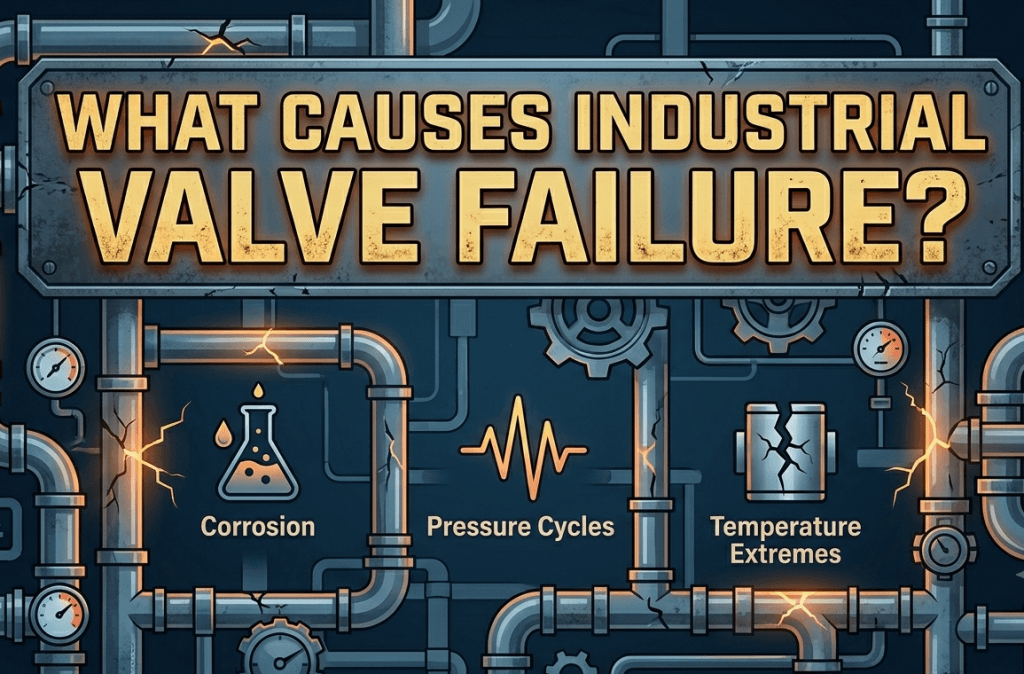
Industrial valves operate in demanding environments where numerous factors contribute to degradation over time. Identifying these causes helps organizations develop effective maintenance strategies and replacement schedules.
Common Causes of Valve Failure
- Corrosion Damage: Exposure to aggressive chemicals, moisture, and environmental contaminants can weaken valve components and reduce structural integrity over time.
- Excessive Pressure Cycles: Frequent pressure fluctuations place continuous stress on seals, seats, stems, and valve bodies, accelerating wear and increasing failure risks.
- Temperature Extremes: High temperatures can degrade sealing materials, while thermal cycling causes expansion and contraction that weakens valve components.
- Erosion and Abrasion: Particles suspended in fluids gradually wear away internal surfaces, reducing valve performance and sealing effectiveness.
- Poor Maintenance Practices: Inadequate inspections and delayed repairs allow minor issues to develop into significant failures that require complete valve replacement.
- Incorrect Valve Selection: Using a valve not designed for the application’s pressure, temperature, or media characteristics can shorten service life considerably.
5 Critical Signs Your Industrial Valve May Be Failing
Industrial valves rarely fail without warning. Identifying early signs of deterioration can help prevent unexpected downtime, costly repairs, and safety risks. By recognizing these critical indicators, maintenance teams can take timely action and ensure reliable system performance before a complete valve failure occurs.
1. Persistent Leakage That Cannot Be Repaired
Leakage is one of the most obvious indicators that a valve may require replacement. While minor leaks can often be corrected through maintenance or seal replacement, recurring leakage usually suggests deeper internal damage.
Leaks occurring around the stem, bonnet, seat, or body indicate that critical components have deteriorated beyond acceptable limits. Continued operation under these conditions can lead to product loss, contamination, environmental issues, and safety hazards.
How to Identify Serious Valve Leakage
- Continuous Fluid Loss: If leakage continues even after replacing seals or gaskets, it may indicate significant internal wear that requires valve replacement.
- Visible Corrosion Around Seals: Corrosion near sealing areas can damage sealing surfaces and reduce the valve’s ability to shut off properly.
- Pressure Drops in the System: Unexpected pressure loss may be a sign that fluid is escaping through a leaking or damaged valve.
- Frequent Maintenance Requirements: Repeated repairs and adjustments often indicate that the valve is no longer operating reliably or efficiently.
- Product Contamination Risks: Leaks can allow external contaminants to enter the system, potentially affecting product quality and process integrity.
- Environmental Compliance Concerns: Hazardous fluid leakage can create safety hazards and may result in environmental or regulatory compliance issues.
2. Excessive Corrosion and Material Degradation
Corrosion is among the leading causes of industrial valve replacement. Over time, exposure to chemicals, moisture, steam, and harsh process environments can weaken valve bodies and internal components.
When corrosion becomes extensive, the valve loses its ability to maintain structural integrity. This significantly increases the likelihood of sudden failure and creates potential safety hazards for personnel and equipment.
Signs of Corrosion-Related Valve Failure
- Surface Rust and Pitting: Visible rust, pitting, or surface deterioration often indicates that corrosion is actively compromising the valve’s strength and reliability.
- Internal Component Damage: Corrosion inside the valve body may affect seats, discs, and sealing surfaces, reducing operational efficiency and shutoff performance.
- Reduced Wall Thickness: As material erodes over time, the valve becomes increasingly vulnerable to pressure-related failures and cracking.
- Chemical Attack: Certain process media aggressively attack specific valve materials, accelerating deterioration and shortening service life.
3. Difficulty Operating the Valve
Operational problems often signal internal damage or excessive wear. Valves should open and close smoothly under normal conditions. Increased resistance or inconsistent operation suggests underlying mechanical issues.
A valve that becomes difficult to operate may compromise process control and create unsafe working conditions. In many cases, replacing the valve is more cost-effective than repeatedly attempting repairs.
Common Operational Warning Signs
- Stiff Valve Movement: If a valve requires excessive force to operate, it may indicate internal corrosion, buildup, or worn components.
- Jerky Operation: Uneven or inconsistent movement often suggests damage to internal parts that affects smooth valve performance.
- Failure to Fully Open: A valve that cannot open completely may restrict flow and reduce overall system efficiency.
- Failure to Fully Close: Incomplete closure can result in leakage, product loss, and poor process control.
- Unusual Mechanical Resistance: Increased friction during operation is often a sign of component wear or internal deterioration.
- Frequent Actuator Problems: Excessive valve wear can place additional strain on actuators, leading to recurring operational issues.
4. Unusual Noise and Vibration
One of the lesser-known but highly significant indicators in the Top 5 Signs Your Industrial Valve Needs Replacement Right Now is abnormal noise or vibration during operation.
Excessive vibration often indicates flow turbulence, cavitation, internal damage, or worn components. These conditions accelerate wear and increase the risk of catastrophic valve failure if left unaddressed.
Types of Valve Noise That Require Attention
- Cavitation Sounds: A popping or crackling sound often indicates cavitation, where vapor bubbles collapse and damage internal valve surfaces.
- Water Hammer Effects: Sudden pressure surges create loud banging noises that place significant stress on valve components.
- Continuous Vibration: Persistent vibration can loosen internal parts and shorten overall valve lifespan.
- Flow Turbulence: Improper flow characteristics may indicate valve sizing issues or internal wear.
- Mechanical Rattling: Loose components frequently produce rattling noises during operation and suggest internal damage.
- Whistling or Hissing: High-velocity leakage through worn seats often generates audible whistling sounds.
5. Reduced Performance and Process Efficiency
A decline in process performance is often the final indicator that valve replacement is necessary. Even when a valve appears operational, internal wear may significantly reduce efficiency and reliability.
Reduced performance impacts production output, energy consumption, process control accuracy, and overall operating costs. Monitoring key performance indicators can help identify deteriorating valves before complete failure occurs.
Performance Issues That Suggest Replacement
- Inconsistent Flow Control: Worn internal components can reduce the valve’s ability to regulate flow accurately, affecting overall process efficiency.
- Pressure Instability: Difficulty maintaining consistent pressure levels often indicates internal wear or damage within the valve.
- Increased Energy Consumption: Inefficient valve performance can force pumps and compressors to work harder, increasing energy costs.
- Frequent Process Interruptions: Unreliable valve operation may cause unexpected disruptions that affect production schedules and output.
- Reduced Product Quality: Poor flow regulation can lead to inconsistent manufacturing conditions and impact product quality.
- Unexpected Shutdowns: Repeated system shutdowns are often a warning sign that valve components are deteriorating and require replacement.
What Happens If You Delay Valve Replacement?
Delaying replacement after recognizing the Top 5 Signs Your Industrial Valve Needs Replacement Right Now it can create significant operational and financial consequences.
A failing valve rarely improves over time. Instead, the condition typically worsens, increasing the likelihood of unexpected breakdowns and costly emergency interventions. Proactive replacement is generally more economical than reactive maintenance after a major failure.
Major Risks of Delayed Replacement
- Increased downtime costs
- Higher maintenance expenses
- Safety incidents and workplace hazards
- Equipment damage
- Environmental compliance violations
- Production losses and reduced efficiency
How to Choose the Right Replacement Industrial Valve Based on Valve Type?
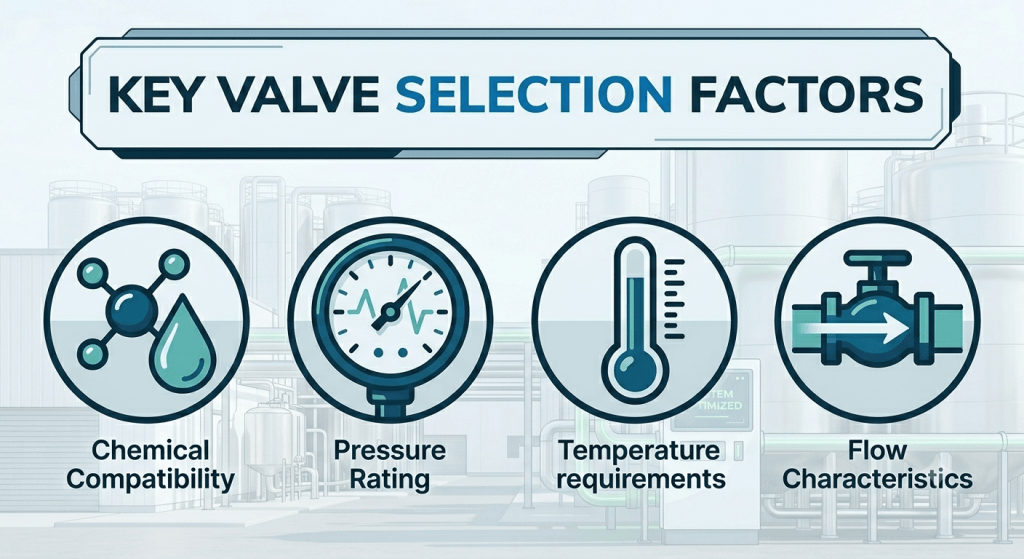
Selecting an appropriate replacement valve requires careful evaluation of operating conditions and system requirements. Whether you are replacing a globe valve, gate valve, or butterfly valve, choosing the correct valve improves performance, extends service life, and reduces maintenance costs. Understanding factors such as pressure ratings, temperature ranges, media compatibility, and flow requirements helps ensure optimal long-term performance.
Key Valve Selection Factors
- Material Compatibility: Choose materials that can withstand the process media without experiencing corrosion, erosion, or chemical degradation.
- Pressure Rating: The valve must safely handle the maximum operating and surge pressures within the system.
- Temperature Requirements: Consider both normal operating temperatures and potential thermal cycling conditions.
- Flow Characteristics: Different valve designs provide varying levels of flow control and regulation capabilities.
- Maintenance Requirements: Evaluate accessibility, serviceability, and expected maintenance intervals before selecting a replacement.
- Industry Standards: Ensure the valve complies with applicable industry regulations and performance requirements.
Preventive Maintenance Tips to Extend Valve Life
Although replacement eventually becomes necessary, effective maintenance can significantly increase valve lifespan and reduce overall ownership costs.
Organizations that implement preventive maintenance programs typically experience fewer failures and improved system reliability compared to those relying solely on reactive repairs.
Best Practices for Valve Maintenance
- Conduct routine visual inspections.
- Monitor pressure and flow performance.
- Check for leaks regularly.
- Lubricate moving components when required.
- Replace worn seals proactively.
- Maintain accurate maintenance records.
Explore Our Recent Blog
- Ball Valve Manufacturer in Ahmedabad: Quality & Uses
- Corrosion-Resistant Industrial Valves: Why Chemical and Pharma Industries Need Them
- Cryogenic Valves: How They Work and Where They Are Used
- Top Valve Suppliers in Ahmedabad: How to Choose the Right One
- Industrial Valves for Food and Beverage Industry: What You Need to Know
Conclusion
Recognizing the Top 5 Signs Your Industrial Valve Needs Replacement Right Now can help prevent costly downtime and unexpected equipment failures. Issues such as persistent leaks, corrosion, operational difficulties, unusual noises, and declining performance are often clear indicators that a valve is reaching the end of its service life.
Replacing a failing valve at the right time improves system reliability, enhances workplace safety, and reduces maintenance costs. Proactive action also helps maintain consistent process efficiency and prevents small problems from becoming major operational disruptions.
Regular inspections and timely replacement decisions are essential for maximizing the lifespan of industrial systems. By addressing valve issues early, businesses can protect valuable equipment, improve productivity, and ensure smooth operations for the long term.
Frequently Asked Questions
1. How often should industrial valves be inspected?
Industrial valves should generally be inspected according to manufacturer recommendations and operating conditions. High-pressure or corrosive applications may require more frequent inspections than standard systems. Regular inspections help identify wear before major failures occur.
2. Can a leaking industrial valve always be repaired?
Not necessarily. Minor leaks caused by worn seals may be repairable, but recurring leaks often indicate significant internal damage. When repair costs continue to increase, replacement usually becomes the more economical option.
3. What is the average lifespan of an industrial valve?
Valve lifespan varies depending on operating conditions, material quality, maintenance practices, and process requirements. Some valves may last several years, while others can operate effectively for decades with proper maintenance and suitable application conditions.
4. How does corrosion affect valve performance?
Corrosion weakens valve materials, damages sealing surfaces, and reduces structural integrity. Over time, this can lead to leakage, operational difficulties, and complete valve failure. Early detection is essential for preventing costly disruptions.
5. What industries commonly require valve replacement programs?
Industries such as oil and gas, chemical processing, water treatment, food and beverage manufacturing, pharmaceuticals, power generation, and mining frequently implement valve replacement programs. These sectors depend heavily on reliable flow control systems.
6. Is replacing a valve better than repairing it?
The answer depends on the valve’s condition and repair costs. When repairs become frequent, performance continues to decline, or safety risks increase, replacement often provides better long-term value and reliability than repeated maintenance efforts.