
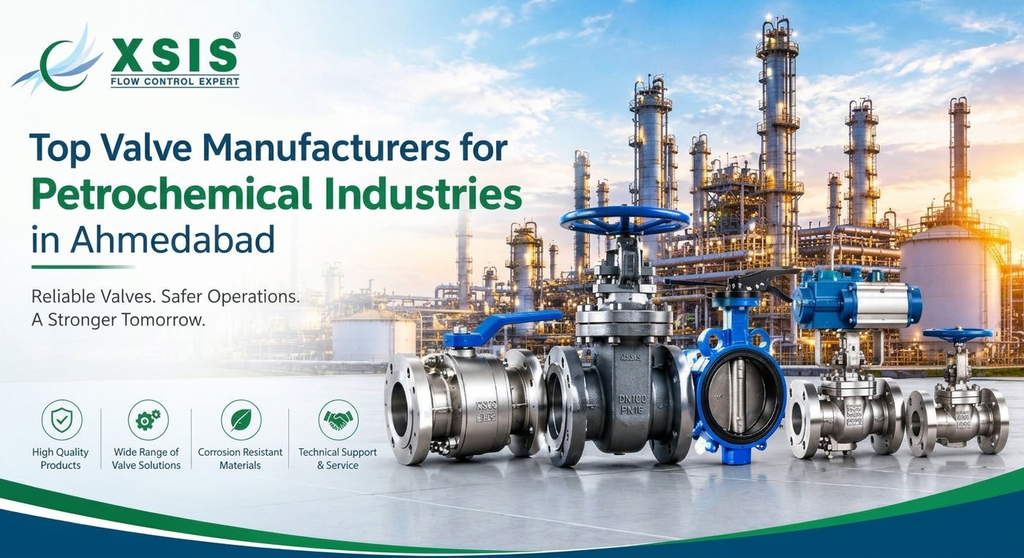
The petrochemical industry relies on reliable equipment to maintain safe and efficient operations. Top Valve Manufacturers for Petrochemical Industries in Ahmedabad play an important role in supplying valves for chemical processing plants, refineries, storage facilities and pipeline networks. Industrial valves help regulate pressure, control fluid movement and isolate pipelines during maintenance, reducing leakage risks and unexpected equipment failures.
Ahmedabad is an important industrial centre in Gujarat, with growing demand for quality industrial equipment across chemical, pharmaceutical and engineering sectors. Choosing the right valve manufacturer requires evaluating product quality, material selection, pressure ratings, manufacturing capabilities and technical support.
Since petrochemical facilities handle aggressive chemicals, high temperatures and pressurised fluids, selecting suitable valve designs is essential. This guide explores common industrial valve types, important selection factors and leading manufacturers to consider when sourcing petrochemical valves in Ahmedabad.
Which Are the Top Valve Manufacturers for Petrochemical Industries in Ahmedabad?
Ahmedabad has several industrial valve manufacturers and suppliers serving chemical processing, oil and gas, engineering and other process industries. When evaluating the Top Valve Manufacturers for Petrochemical Industries in Ahmedabad, buyers should look beyond product catalogues and compare manufacturing capabilities, material options, quality procedures and experience with demanding applications. The following companies are worth considering based on their published product ranges, industrial applications and manufacturing presence. This is a practical supplier shortlist rather than an independently verified ranking of performance.
1. XSIS Valves Pvt. Ltd.
Website: xsisvalves.com
919909979891
XSIS Valves Pvt. Ltd. is an Ahmedabad-based industrial valve manufacturer and exporter established in 2008. The company provides different types of industrial valves for sectors such as oil and gas, chemicals, power generation, pharmaceuticals and LNG. Its product range includes ball valves, gate valves, globe valves, butterfly valves, check valves, strainers and automatic valves. The company also states that it follows an ISO 9001:2015 quality management system and provides customised valve solutions for different industrial requirements.
2. Amtech Valves
Website: amtechvalves.com
Amtech Valves, associated with M. Kumar Technocrates, manufactures industrial flow-control products in Ahmedabad. Its published product portfolio includes ball valves, butterfly valves, gate valves, globe valves, control valves, plug valves, diaphragm valves, safety valves and pressure-reducing valves. The company identifies petrochemical and fertiliser industries among the sectors it serves, alongside chemical, pharmaceutical and process industries.
3. Gloval Valves
Website: glovalvalves.com
Gloval Valves is an industrial valve manufacturer based in Rakhial, Ahmedabad. Its published product range includes industrial ball valves, globe valves, gate valves, butterfly valves, Y-type strainers and swing check valves. The company lists carbon steel, stainless steel and aluminium among its material options, with manual, gear-operated, pneumatic and electric actuation configurations.
4. Amaz Valves
Website: amazvalves.com
Amaz Valves manufactures and supplies industrial valves under the Creative brand. Its published product range includes ball valves, gate valves, globe valves, butterfly valves, check valves, safety valves and strainers. The company identifies petrochemical, oil and gas, pharmaceutical and steel industries among its application sectors. It also mentions ISO 9001:2015 certification on its website.
5. Valvetech Engineering (India)
Website: valvetechindia.com
Valvetech Engineering (India) is an Ahmedabad-based industrial valve engineering business. Its published product information includes gate valves, globe valves, swing check valves, dual-plate check valves, ball valves and flush-bottom tank valves. Its company profile identifies petrochemical industries, fertiliser plants, power stations and refineries as important application sectors. It also refers to international manufacturing and testing standards.
6. Aegis Valves Industries Pvt. Ltd.
Website: aegisvalves.org
Aegis Valves Industries Pvt. Ltd. is an industrial valve manufacturer located in the Ahmedabad district of Gujarat. The company focuses on valve design and manufacturing for fluid-control applications. Its manufacturing information includes details about its foundry and moulding operations, indicating an in-house manufacturing capability.
Why Are Industrial Valves Important for Petrochemical Industries?
Industrial valves are essential components of petrochemical processing systems because they control the movement of liquids, gases, vapours and other process materials. They help operators start, stop, regulate and redirect fluid flow throughout different production stages. Without properly functioning valves, maintaining stable pressure and controlling process conditions would become difficult. Reliable valve systems also help minimise product loss, improve process consistency and support safer plant operations.
Petrochemical facilities operate under different working conditions depending on their production processes and equipment requirements. Some applications involve corrosive chemicals, while others require valves capable of handling elevated temperatures and high operating pressures. Choosing suitable industrial valves helps prevent premature component damage and reduces the possibility of unexpected shutdowns. Manufacturers must therefore understand application requirements before recommending specific valve designs, materials and sealing arrangements.
Major Functions of Industrial Valves
- Flow Regulation: Valves control the movement of liquids and gases through industrial pipelines. They help maintain suitable flow conditions for different processing operations.
- Pressure Management: Suitable valve arrangements help maintain required operating conditions. Pressure-control systems also support equipment protection and process stability.
- Pipeline Isolation: Isolation valves allow operators to stop fluid movement during repairs, inspections and equipment replacement. This improves maintenance safety.
- Leakage Prevention: Properly designed sealing systems help minimise unwanted fluid leakage. This is particularly important when handling hazardous or valuable chemicals.
- Process Automation: Automated valves support remote operation and improve process control. They can be integrated with suitable control systems.
- Equipment Protection: Correct valve selection helps protect connected pipelines, pumps and processing equipment. It also reduces operational risks associated with uncontrolled flow.
What Types of Valves Are Used in Petrochemical Industries?
Petrochemical plants require different valve designs depending on the fluid characteristics, operating pressure, temperature and required flow-control function. A valve suitable for simple pipeline isolation may not perform effectively in applications that require accurate flow regulation. Therefore, manufacturers offer different industrial valve categories to meet the operational requirements of chemical processing, refining and fluid transportation systems. Understanding these options helps purchasing teams identify suitable products for individual applications.
The most commonly used petrochemical industry valves include ball valves, gate valves, globe valves, butterfly valves and check valves. Each type offers specific operating characteristics and installation advantages. Material selection is equally important because process fluids can affect the performance of valve bodies, seats, seals and internal components. Buyers should evaluate both the valve design and its compatibility with the operating environment before selecting an industrial valve supplier.
Common Industrial Valve Types
1. Ball Valves
Ball valves use a rotating spherical disc to control fluid movement through a pipeline. They provide quick opening and closing, making them suitable for isolation applications in chemical plants, storage systems and process pipelines. Depending on their design and specifications, they can be selected for different pressure and temperature conditions.
2. Gate Valves
Gate valves in Ahmedabad are commonly used where pipelines require complete opening or closing rather than frequent flow regulation. Their design allows relatively unrestricted flow when fully open. They are suitable for selected process and utility pipelines where reliable isolation is required.
3. Globe Valves
Globe valves are designed for applications requiring controlled flow regulation. Their internal construction allows operators to adjust fluid movement according to process requirements. They are used in systems where maintaining suitable flow conditions is important.
4. Butterfly Valves
Butterfly valves use a rotating disc to regulate or isolate fluid flow. Their compact construction and relatively lightweight design make them suitable for various industrial pipeline applications. They are commonly considered for water, utility and compatible chemical service systems.
5. Check Valves
Check valves allow fluid to move in one direction while helping prevent reverse flow. They are particularly useful in pipelines connected to pumps and other process equipment. Their selection depends on flow conditions, installation orientation and the possibility of pressure fluctuations.
6. Plug Valves
Plug valves use a rotating cylindrical or tapered plug to control fluid movement. They can provide effective shut-off in suitable industrial applications. Their suitability depends on fluid characteristics, sealing requirements and operating conditions.
What Factors Should You Consider When Choosing Petrochemical Valve Manufacturers?
Selecting an industrial valve manufacturer requires a clear understanding of the plant’s operating conditions and technical requirements. Petrochemical facilities often handle different chemicals, gases and process fluids that can affect valve performance. A valve that works effectively in one application may not be appropriate for another because of differences in pressure, temperature and chemical composition. Buyers should therefore evaluate manufacturers based on technical capabilities rather than making decisions based only on price or availability.
Reliable valve manufacturers should be able to provide product specifications, material details and relevant quality documentation. Their ability to understand application requirements and recommend suitable products can also influence long-term equipment performance. When comparing Top Valve Manufacturers for Petrochemical Industries in Ahmedabad, procurement teams should assess the following factors before making a final selection.
Important Supplier Evaluation Criteria
- Manufacturing Experience: Choose manufacturers with relevant industrial valve manufacturing experience. Their understanding of process applications can help identify suitable product configurations.
- Product Range: Check whether the supplier offers ball, gate, globe, butterfly and check valves. A broader range can simplify sourcing for different pipeline requirements.
- Material Quality: Evaluate the materials used in valve bodies, discs, stems, seats and seals. Their compatibility with process fluids is essential for reliable performance.
- Quality Testing: Ask about pressure testing, leakage testing and inspection procedures. Request relevant test reports and material certificates where applicable.
- Customisation Facilities: Some petrochemical applications require specialised dimensions, connections or actuation systems. Manufacturers should clearly explain their customisation capabilities.
- Technical and After-Sales Support: Consider the availability of technical assistance, maintenance guidance and replacement components. Responsive support can help reduce operational interruptions.
Which Valve Materials Are Suitable for Petrochemical Applications?
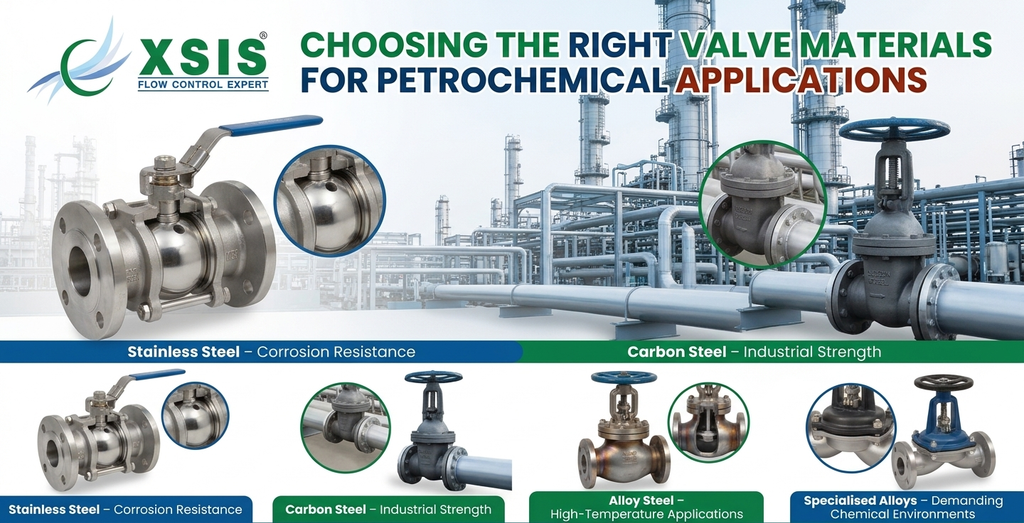
Material selection directly influences the durability, safety and operating performance of industrial valves. Petrochemical facilities handle different substances, including hydrocarbons, solvents, acids, alkalis and other process chemicals. These substances can react differently with metals, coatings and sealing materials. Selecting an unsuitable material may result in corrosion, leakage, reduced component life and unexpected maintenance requirements.
Stainless steel, carbon steel, alloy steel and specialised corrosion-resistant materials are commonly considered for industrial valve manufacturing. However, no single material is suitable for every petrochemical application. Factors such as chemical concentration, temperature, pressure, fluid velocity and potential erosion must be assessed together. Buyers should consult material compatibility information and relevant engineering specifications before finalising their valve requirements.
Common Materials Used in Industrial Valves
- Stainless Steel: Stainless steel grades are widely considered for applications requiring corrosion resistance and mechanical strength. The appropriate grade depends on the chemical composition and operating conditions.
- Carbon Steel: Carbon steel valves are used in many industrial applications involving suitable pressure and temperature conditions. Their suitability must be checked against the process fluid and corrosion-control requirements.
- Alloy Steel: Alloy steel can provide specific mechanical and temperature-related properties for demanding industrial environments. It is considered where standard materials may not satisfy application requirements.
- Duplex Stainless Steel: Duplex grades can offer a combination of strength and corrosion resistance. They may be considered for selected chemical and process applications after compatibility assessment.
- PTFE and Other Lining Materials: Suitable fluoropolymer linings can help protect valve interiors from certain corrosive chemicals. Chemical compatibility, temperature limits and pressure conditions must be verified.
- Specialised Alloys: Nickel-based and other specialised alloys may be required for particularly aggressive process environments. Their selection should be based on detailed engineering assessment.
Which Industry Standards Should Petrochemical Valve Manufacturers Follow?
Industrial valves used in petrochemical facilities must meet appropriate engineering, manufacturing and testing requirements. Industry standards help establish consistent expectations for valve design, dimensions, pressure ratings, materials and performance. Following relevant standards can improve product reliability and make it easier for buyers to evaluate whether a particular valve is suitable for a specified application. However, the required standard depends on the valve category, process conditions and project specifications.
Petrochemical companies should work with manufacturers that understand applicable international standards and can provide supporting documentation. Buyers should not assume that every valve offered by a certified manufacturer automatically meets every project requirement. They must verify the standard and edition applicable to the specific product, along with its inspection and testing records. The following standards are commonly relevant to industrial valve procurement.
Important Industrial Valve Standards
- API Standards: American Petroleum Institute standards cover different valve categories used in petroleum and natural gas industries. API 600, API 602 and API 6D are examples relevant to specific valve designs and applications.
- ASME Standards: ASME standards address pressure equipment, piping and related engineering requirements. ASME B16.34 is particularly relevant to valve pressure-temperature ratings and design requirements.
- ASTM Standards: ASTM specifications cover materials and testing requirements. They help buyers identify suitable material grades for valve bodies and other components.
- ISO Standards: ISO standards establish internationally recognised requirements for quality management and other technical areas. ISO 9001 is a quality management system standard rather than a product performance certification.
- BS Standards: British Standards provide technical specifications for different industrial equipment categories. Their applicability depends on the project and purchasing requirements.
- IEC Standards: Selected IEC standards are relevant to electrical and instrumentation aspects of automated valve systems. Buyers should verify the specific requirements for actuators and associated control equipment.
How Can Proper Valve Maintenance Improve Petrochemical Plant Performance?
Regular valve maintenance is important for maintaining the reliability and efficiency of petrochemical processing systems. Industrial valves operate under different pressures, temperatures and flow conditions, which can gradually affect their internal and external components. Wear, corrosion, damaged seals and deposits may reduce operating efficiency or cause leakage. A planned maintenance programme helps identify these problems before they develop into more serious equipment failures.
Maintenance requirements vary according to valve type, process fluid and operating conditions. Some valves may require regular inspection and lubrication, while others need periodic seat checks, actuator servicing or replacement of worn sealing components. Maintenance activities should follow manufacturer recommendations and plant safety procedures. Proper documentation also helps maintenance teams identify recurring problems and plan timely component replacement.
Essential Valve Maintenance Practices
- Routine Visual Inspection: Check valve bodies, flanges, connections and surrounding pipeline sections for visible leakage or corrosion. Record any unusual operating conditions.
- Seal and Gasket Inspection: Examine sealing components for wear, deformation or chemical damage. Replace unsuitable or damaged components according to manufacturer recommendations.
- Operational Testing: Check whether valves open and close correctly. Unusual resistance, vibration or delayed movement may indicate an internal or actuator-related problem.
- Corrosion Monitoring: Inspect exposed surfaces and internal components where accessible. Identify material degradation before it affects equipment performance.
- Actuator Maintenance: Examine pneumatic, electric or hydraulic actuators for proper functioning. Follow the specified servicing procedures for each actuator type.
- Maintenance Documentation: Maintain records of inspections, repairs, testing and component replacements. These records help improve preventive maintenance planning.
How Can Ahmedabad Industries Select Reliable Valve Suppliers?
Finding a reliable valve supplier requires more than identifying a manufacturer with a large product catalogue. Petrochemical businesses need suppliers that understand technical specifications, application requirements and the importance of product quality. A dependable supplier should communicate clearly about available products, manufacturing capabilities, delivery schedules and documentation. These factors help purchasing teams avoid incorrect product selection and unnecessary procurement delays.
Ahmedabad-based industrial valve manufacturers offer different product categories and manufacturing capabilities. However, every supplier may not be suitable for every petrochemical project. Buyers should compare quotations, review technical documents and discuss application-specific requirements before placing orders. A systematic supplier evaluation process can help industries establish long-term relationships with manufacturers that meet their operational expectations.
Practical Steps for Selecting a Valve Supplier
- Define Technical Requirements: Prepare a detailed list of valve types, sizes, pressure classes, temperatures and connection specifications. Include process fluid information to support correct product selection.
- Compare Manufacturers: Shortlist suppliers with relevant manufacturing experience and suitable product portfolios. Evaluate their technical capabilities rather than relying only on promotional claims.
- Verify Product Documentation: Request technical datasheets, material certificates and applicable inspection reports. Check that the supplied products match the approved specifications.
- Evaluate Manufacturing Quality: Understand the manufacturer’s quality-control and testing procedures. Ask whether inspection facilities are available for the required valve categories.
- Discuss Delivery and Pricing: Compare quotations, manufacturing lead times and commercial terms. Consider the total procurement cost rather than choosing the lowest initial price.
- Assess Long-Term Support: Check the availability of replacement parts, maintenance guidance and technical assistance. Reliable after-sales support can simplify future plant maintenance.
Conclusion
Selecting suitable industrial valves is essential for maintaining safe, efficient and reliable petrochemical operations. From pipeline isolation and flow regulation to pressure management and equipment protection, every valve must meet the requirements of its intended application. Businesses should carefully evaluate valve types, construction materials, pressure ratings, industry standards and maintenance requirements before finalising their procurement decisions.
Ahmedabad offers several industrial valve manufacturers and suppliers serving chemical, oil and gas, engineering and other process industries. Companies exploring the Top Valve Manufacturers for Petrochemical Industries in Ahmedabad can consider XSIS Valves, Amtech Valves, Gloval Valves and other manufacturers discussed in this guide. Comparing their product ranges, manufacturing capabilities, technical documentation and after-sales support can help businesses make informed purchasing decisions.
Explore Our Recent Blog
- Top Industrial Valve Manufacturers for Chemical Industries in Ahmedabad
- Top Valve Manufacturers for Pharmaceutical Industries in Ahmedabad
- Top Valve Manufacturers for Oil and Gas Industries in Ahmedabad
- Top Valve Manufacturers for Power Plants in Ahmedabad
- Top Valve Manufacturers for Water Treatment Plants in Ahmedabad
Frequently Asked Questions
1. Which Are the Top Valve Manufacturers for Petrochemical Industries in Ahmedabad?
Some manufacturers and suppliers worth evaluating include XSIS Valves, Amtech Valves, Gloval Valves, Amaz Valves, Valvetech Engineering and Aegis Valves Industries. They offer different industrial valve products and serve various process-related sectors. Buyers should compare their technical capabilities, product specifications and documentation before selecting a manufacturer.
2. Which Types of Industrial Valves Are Used in Petrochemical Plants?
Petrochemical plants commonly use ball valves, gate valves, globe valves, butterfly valves and check valves. Each type performs a different flow-control function depending on the pipeline and process requirements. The final selection should consider fluid characteristics, operating pressure, temperature and required flow-control performance.
3. Which Materials Are Best for Petrochemical Industry Valves?
Stainless steel, carbon steel, alloy steel and specialised corrosion-resistant materials are commonly considered for petrochemical applications. The appropriate material depends on the chemical composition, operating temperature and pressure conditions. Buyers should consult technical experts to confirm material compatibility before purchasing valves.
4. Why Are API Standards Important for Industrial Valves?
API standards establish technical requirements for different valve categories used in petroleum and natural gas applications. They help manufacturers and buyers follow recognised specifications for design, construction and testing. However, the relevant API standard must match the specific valve type and project requirements.
5. How Can I Find Reliable Industrial Valve Suppliers in Ahmedabad?
Start by identifying manufacturers with relevant industrial experience and suitable product ranges. Compare their technical specifications, material options, quality documentation and customer support. Request quotations and confirm that the proposed products meet your plant’s operating requirements before placing an order.
6. How Often Should Petrochemical Industrial Valves Be Inspected?
Inspection frequency depends on the valve type, process conditions, operating environment and plant maintenance programme. Valves handling corrosive or hazardous fluids may require closer monitoring based on a risk assessment. Follow manufacturer recommendations, applicable safety procedures and the facility’s preventive maintenance schedule.