
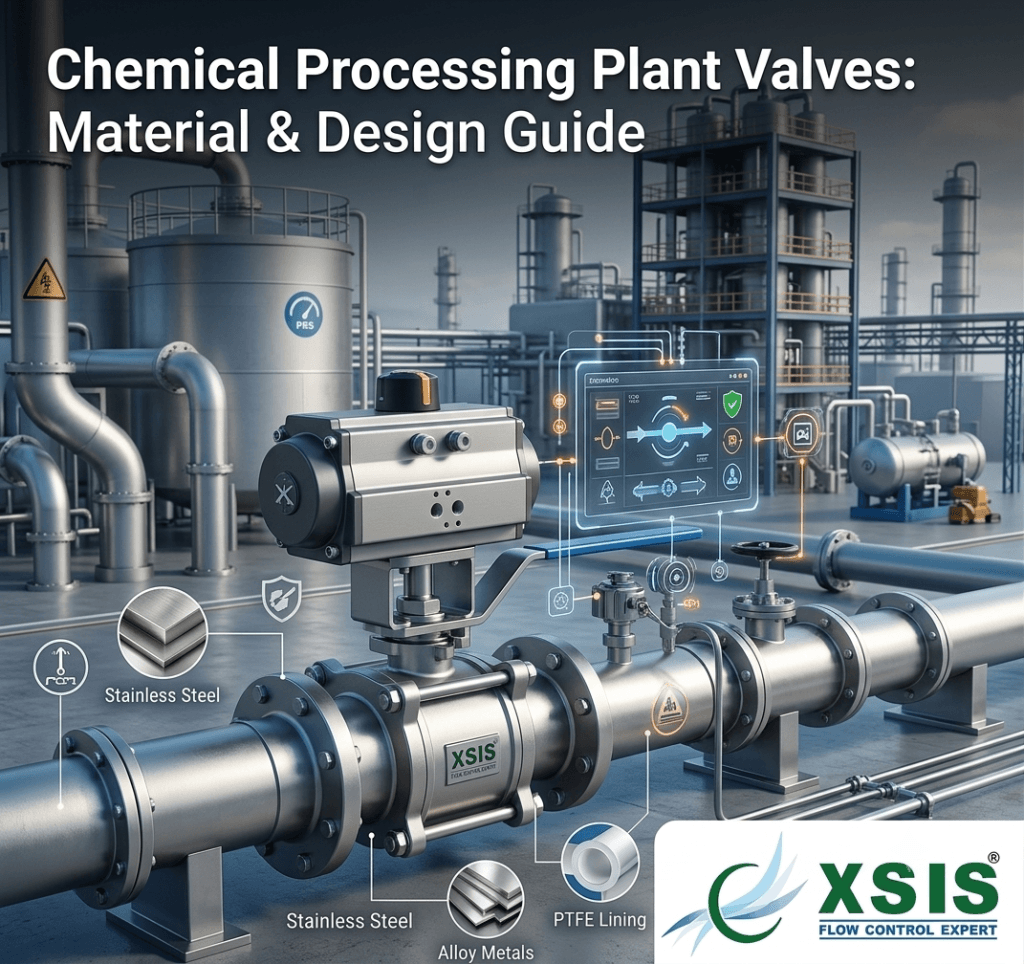
Chemical processing industries depend on reliable flow control systems to manage aggressive chemicals, hazardous fluids, gases, and high-temperature process media. Selecting the right Chemical Processing Plant Valves is essential to maintain operational safety, prevent leakage, reduce downtime, and improve overall plant efficiency. The wrong valve selection can lead to corrosion, equipment failure, production losses, and serious safety risks.
Modern chemical facilities require valves designed according to specific process conditions, including pressure ratings, temperature variations, chemical compatibility, and flow requirements. From controlling corrosive acids to handling solvents and reactive chemicals, industrial valves for chemical plants must provide durability, precision, and long service life.
Understanding valve materials, designs, and applications helps engineers and plant managers choose solutions that match their operational needs. This Chemical Processing Plant Valves: Material & Design Guide explains different valve types, construction materials, selection factors, maintenance practices, and industry applications to help chemical industries make informed decisions.
What Are Chemical Processing Plant Valves and Why Are They Important?
Chemical Processing Plant Valves are mechanical devices used to regulate, isolate, control, or redirect the movement of liquids, gases, and chemical substances within industrial processing systems. These valves play a critical role in maintaining accurate flow rates, pressure control, and safe handling of hazardous materials throughout chemical manufacturing operations.
Chemical plants often process highly corrosive, toxic, or reactive substances that require specialized valve designs. Standard valves may fail quickly when exposed to aggressive chemicals, leading to leakage, contamination, and equipment damage. Therefore, chemical industries rely on chemical resistant valves manufactured from durable materials that can withstand harsh operating environments.
The importance of selecting the correct valve extends beyond basic flow regulation. Proper valve selection improves plant reliability, enhances worker safety, minimizes maintenance requirements, and supports continuous production. Whether used in chemical reactors, storage systems, pipelines, or wastewater treatment units, valves are essential components of efficient chemical flow control systems.
Key Functions of Chemical Processing Plant Valves
- Flow Regulation: Valves control the quantity and speed of chemicals moving through pipelines. Accurate flow regulation ensures consistent production quality and prevents process interruptions.
- Pressure Management: High-pressure chemical systems require valves capable of maintaining safe pressure levels. Proper pressure control prevents pipeline damage and improves operational safety.
- Chemical Isolation: Isolation valves allow operators to safely stop chemical flow during maintenance, repairs, or emergency situations without affecting the entire plant operation.
- Temperature Handling: Many chemical processes involve extreme temperatures. Suitable valve designs ensure reliable performance under both high and low-temperature conditions.
- Leak Prevention: High-quality sealing systems reduce chemical leakage risks. This protects equipment, employees, and the surrounding environment from hazardous exposure.
- Process Automation: Automated valves for chemical plants enable remote operation and precise control, improving efficiency and reducing manual intervention.
Which Materials Are Best for Chemical Processing Plant Valves?
Choosing the right material is one of the most important factors when selecting Chemical Processing Plant Valves. Chemical environments can contain acids, alkalis, solvents, and abrasive substances that may quickly damage unsuitable materials. Valve materials must provide excellent corrosion resistance, mechanical strength, and compatibility with the processed chemicals. Different applications require different materials depending on chemical concentration, operating temperature, and pressure conditions.
For example, stainless steel may work effectively in many chemical applications, while highly corrosive environments may require advanced alloys or specialized coatings. Manufacturers commonly use stainless steel, carbon steel, alloy metals, plastics, and corrosion-resistant materials to produce reliable industrial valves for chemical plants. Understanding material properties helps industries select valves that deliver better performance and longer service life.
Common Valve Materials Used in Chemical Industries
- Stainless Steel Valves: Stainless steel valves are widely used because of their excellent corrosion resistance, strength, and durability. They are suitable for handling many chemicals, solvents, and process fluids.
- Alloy Valves for Corrosive Fluids: Nickel-based alloys and specialty metals provide superior resistance against highly aggressive chemicals. These materials are preferred for extreme chemical processing environments.
- Carbon Steel Valves: Carbon steel offers high mechanical strength and cost-effectiveness. However, additional coatings or protection may be required when exposed to corrosive substances.
- Plastic Valves: Materials such as PVC, CPVC, and PTFE are lightweight and chemically resistant. They are commonly used for low-pressure chemical transfer applications.
- Titanium Valves: Titanium provides outstanding resistance against seawater, chlorides, and certain acids. It is often selected for demanding chemical applications where standard metals fail.
- Lined Valves: Rubber-lined or PTFE-lined valves provide an additional protective layer against chemical attack. These valves are useful when handling highly corrosive fluids.
How Do You Select the Right Valve Design for Chemical Processing Applications?
Selecting the correct valve design requires careful evaluation of operating conditions, chemical properties, and process requirements. Different valve designs provide different advantages depending on whether the application requires isolation, throttling, pressure regulation, or precise flow control. A suitable valve design improves system efficiency and reduces operational problems.
Engineers must consider factors such as fluid type, viscosity, pressure rating, temperature range, flow speed, and maintenance requirements before finalizing a valve solution. The right valve selection for chemical processing ensures safe operation and prevents unexpected failures. Chemical industries often combine multiple valve types throughout their facilities to meet different process requirements.
Important Factors for Valve Design Selection
- Chemical Compatibility: The valve material and internal components must be compatible with the chemicals being processed. Chemically resistant valves prevent corrosion, degradation, and contamination.
- Pressure and Temperature Ratings: Valves must handle the maximum pressure and temperature conditions of the system. Incorrect ratings can cause premature failure and safety hazards.
- Flow Control Requirements: Applications requiring precise regulation may need control valves, while isolation systems may require gate or ball valves.
- Maintenance Accessibility: Valve designs should allow easy inspection, repair, and replacement to reduce downtime during maintenance activities.
- Automation Requirements: Modern plants increasingly use automated valves for chemical plants to improve process accuracy and operational efficiency.
- Industry Standards: Valves should comply with relevant industrial standards to ensure reliability, safety, and quality assurance.
What Types of Valves Are Commonly Used in Chemical Processing Plants?
Chemical industries use various valve types depending on process requirements, fluid characteristics, and operational conditions. Each valve design offers specific advantages for controlling chemical flow, pressure, and isolation.
Selecting the correct valve type helps industries achieve better efficiency and minimize maintenance challenges. The most commonly used valves include ball valves, diaphragm valves, butterfly valves, gate valves, globe valves, and check valves. Understanding the application of each valve type allows engineers to create safer and more effective chemical flow control systems.
Major Valve Types Used in Chemical Industries
- Ball Valves: Ball valves provide quick shut-off and excellent sealing performance. They are widely used for chemical transfer systems because of their durability and low maintenance requirements.
- Diaphragm Valves: Diaphragm valves are ideal for handling corrosive chemicals and contaminated fluids. Their design prevents fluid contact with internal mechanical parts, improving safety.
- Butterfly Valves: Butterfly valves offer lightweight construction and efficient flow control. They are commonly used in large pipeline systems where space and weight are important considerations.
- Gate Valves: Gate valves in Ahmedabad are primarily used for complete flow isolation. They provide minimal pressure loss when fully opened.
- Globe Valves: Globe valves in Ahmedabad are suitable for precise throttling and flow regulation. They are commonly used in applications requiring accurate control.
- Check Valves: Check valves in Ahmedabad prevent reverse flow within pipelines. They protect pumps and other equipment from potential damage.
How Are Chemical Resistant Valves Used in Different Chemical Industries?
Chemically resistant valves are essential components in industries where aggressive chemicals, corrosive fluids, and hazardous materials are handled regularly. These valves are specially designed using advanced materials and protective technologies to withstand chemical reactions, extreme temperatures, and high-pressure conditions. Industries such as pharmaceuticals, petrochemicals, fertilizers, water treatment, and specialty chemical manufacturing depend on reliable valve systems for safe and efficient operations.
The selection of suitable Chemical Processing Plant Valves helps prevent leakage, maintain product quality, and improve workplace safety. Different chemical industries have unique requirements based on their processes and materials. For example, pharmaceutical plants require hygienic valve solutions, while petrochemical facilities need high-pressure chemical valves capable of handling extreme operating conditions.
Applications of Chemical Processing Plant Valves Across Industries
- Petrochemical Industry: Petrochemical plants use chemical resistant valves for handling crude oil derivatives, solvents, gases, and highly reactive substances. Durable materials such as stainless steel and alloy metals ensure long-term performance.
- Pharmaceutical Manufacturing: Pharmaceutical industries require hygienic valves that prevent contamination during drug production. Diaphragm valves and stainless steel valves are commonly used because they provide clean and reliable flow control.
- Fertilizer Production: Fertilizer plants process chemicals such as ammonia and acids that require corrosion-resistant solutions. Special alloy valves help maintain safe operations under challenging chemical conditions.
- Water Treatment Plants: Water treatment facilities use valves for chemical dosing, filtration, and wastewater management. Plastic-lined and corrosion-resistant valve materials are often preferred for chemical handling applications.
- Food and Beverage Chemical Processing: These industries require sanitary valve designs to maintain hygiene standards. Stainless steel valves are commonly selected because they are easy to clean and resistant to corrosion.
- Specialty Chemical Manufacturing: Specialty chemical plants handle complex chemical mixtures requiring precise flow control. Advanced automated valves help improve accuracy and production efficiency.
What Are the Benefits of Using High-Quality Chemical Processing Plant Valves?
Investing in high-quality Chemical Processing Plant Valves provides significant operational advantages for chemical manufacturing facilities. Reliable valves improve process control, reduce maintenance expenses, and protect equipment from chemical damage. Poor-quality valves may result in leakage, corrosion, frequent replacements, and unexpected shutdowns.
In contrast, properly designed valves provide consistent performance even under demanding industrial conditions. Modern chemical plants focus on durable valve solutions that support safety, productivity, and environmental compliance. Advanced designs, better materials, and automation capabilities make industrial valves more efficient and dependable.
Advantages of Reliable Chemical Processing Plant Valves
- Improved Safety Performance: High-quality valves reduce the possibility of chemical leaks and pressure-related failures. This creates a safer working environment for employees and reduces environmental risks.
- Enhanced Corrosion Resistance: Chemically resistant valves manufactured from suitable materials withstand harsh chemicals. This extends equipment life and reduces replacement frequency.
- Better Process Efficiency: Accurate flow control improves production consistency and reduces waste. Efficient valves help maintain stable operating conditions throughout the plant.
- Lower Maintenance Costs: Durable valve designs require fewer repairs and replacements. This helps industries reduce operational expenses and increase productivity.
- Longer Service Life: High-performance materials and advanced manufacturing techniques improve valve durability. Properly selected valves can operate effectively for many years.
- Support for Automation: Automated valves integrate with modern control systems for remote monitoring and precise operation. This improves overall plant efficiency and reduces manual workload.
How Do Automated Valves Improve Chemical Flow Control Systems?
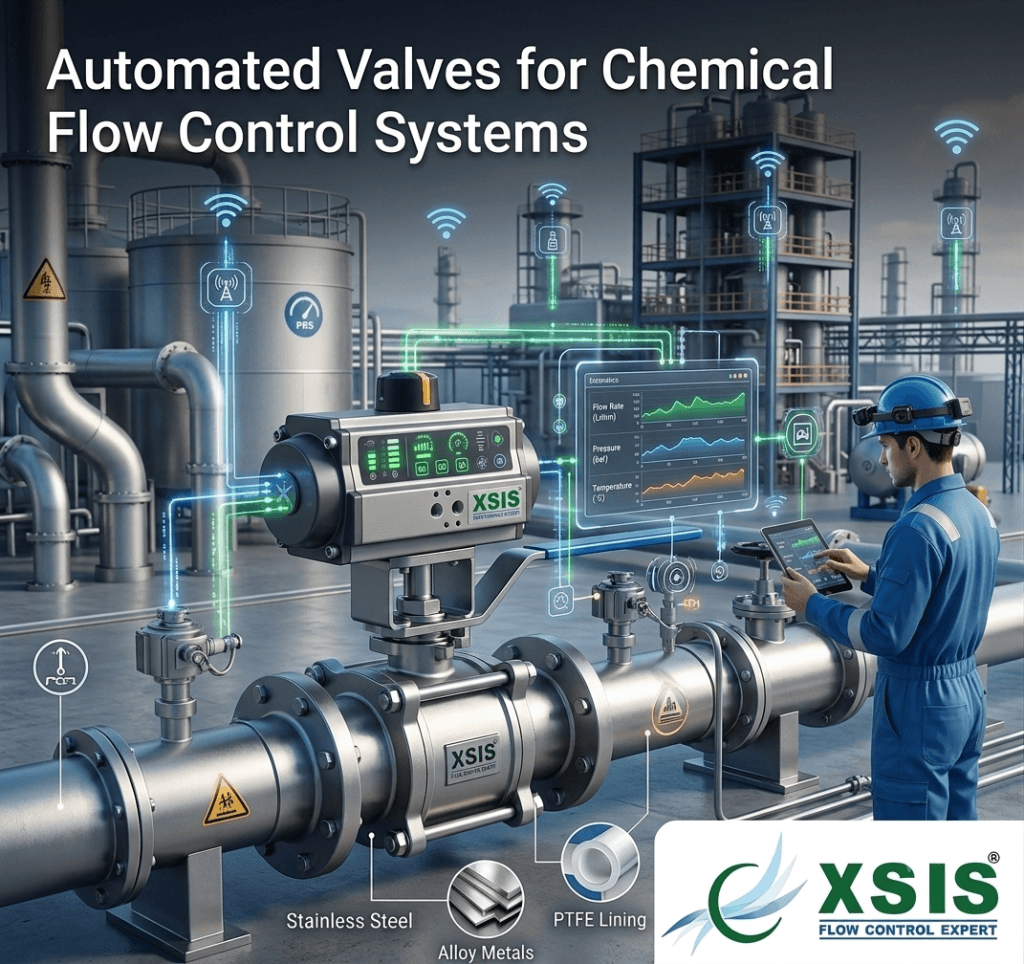
Automation has transformed chemical processing operations by improving accuracy, safety, and efficiency. Automated valves for chemical plants allow operators to control fluid movement remotely through advanced control systems, reducing the need for manual operation in hazardous environments.
Automated valve systems use actuators, sensors, and control technologies to regulate chemical flow with high precision. These systems are especially useful in large-scale chemical plants where continuous monitoring and fast response times are required. The integration of automation with Chemical Processing Plant Valves helps industries achieve better process control, minimize human errors, and improve production reliability.
Key Benefits of Automated Valve Systems
- Remote Operation Capability: Automated valves allow operators to control chemical flow from safe locations. This reduces employee exposure to hazardous chemicals.
- Precise Flow Adjustment: Actuated valves provide accurate control over flow rates and pressure levels. This improves product consistency and process efficiency.
- Faster Emergency Response: Automated systems can quickly shut down operations during abnormal conditions. This reduces safety risks and equipment damage.
- Improved Monitoring: Smart valve systems provide real-time performance data. This helps operators identify potential issues before failures occur.
- Reduced Human Errors: Automation minimizes manual mistakes during chemical handling processes. Consistent operation improves overall plant reliability.
- Integration with Smart Technologies: Modern valve systems can connect with industrial automation platforms. This supports advanced process management and predictive maintenance.
How Can Industries Maintain Chemical Processing Plant Valves for Long-Term Performance?
Regular maintenance is essential to maximize the lifespan and reliability of industrial valve systems. Even the best-designed Chemical Processing Plant Valves require proper inspection, cleaning, and servicing to maintain optimal performance.
Chemical environments can gradually affect valve components through corrosion, wear, and chemical exposure. Preventive maintenance helps identify problems early and reduces unexpected production interruptions. A structured maintenance program ensures that valves continue operating safely while meeting industry standards and operational requirements.
Best Maintenance Practices for Chemical Valves
- Regular Inspection: Routine inspections help detect leakage, corrosion, and mechanical issues before they become major failures. Regular monitoring improves equipment reliability.
- Check Valve Seals and Components: Damaged seals can cause chemical leakage and operational problems. Inspecting gaskets, seats, and packing materials ensures proper valve performance.
- Clean Internal Components: Chemical deposits can affect valve movement and flow efficiency. Proper cleaning prevents blockages and improves system operation.
- Monitor Corrosion Levels: Regular corrosion checks help determine whether valve materials remain suitable for the application. Early detection prevents costly replacements.
- Follow Manufacturer Guidelines: Maintenance schedules recommended by manufacturers improve valve performance. Proper servicing also helps maintain warranty and safety standards.
- Upgrade Old Valve Systems: Replacing outdated valves with modern solutions improves efficiency. Advanced materials and automation features can significantly enhance plant operations.
How Do You Choose the Best Chemical Processing Plant Valves for Your Facility?
Choosing the right valve requires a detailed understanding of process conditions, chemical characteristics, and operational goals. Every chemical facility has different requirements, so selecting a standard valve solution may not always provide the best results.
Engineers should evaluate factors such as chemical compatibility, pressure conditions, temperature range, flow requirements, maintenance needs, and automation possibilities before purchasing valves. Working with experienced valve manufacturers helps ensure the selected solution meets industry standards.
Selection Checklist for Chemical Industries
- Analyze Chemical Properties: Understand the chemical composition, concentration, and reactivity of the processed fluids before selecting valve materials. Proper analysis helps prevent corrosion, leakage, and premature valve failure.
- Consider Operating Conditions: Evaluate pressure, temperature, flow rate, and environmental conditions to select valves with suitable specifications. This ensures reliable performance under demanding chemical processing conditions.
- Select Compatible Materials: Choose corrosion-resistant valve materials that can withstand the chemicals used in the process. Suitable materials improve durability, safety, and long-term valve performance.
- Determine Valve Type Requirements: Select appropriate valve designs such as ball valves, diaphragm valves, or globe valves based on process requirements. The right valve type ensures efficient flow control and operational reliability.
- Evaluate Automation Options: Consider automated valve solutions when precise control, remote operation, and improved safety are required. Automation helps reduce manual errors and increases process efficiency.
- Partner with Reliable Manufacturers: Work with experienced valve manufacturers that provide quality products, technical support, and customized solutions. Reliable suppliers ensure better performance, compliance, and after-sales service.
Conclusion
Selecting the right Chemical Processing Plant Valves is essential for maintaining safe, efficient, and reliable chemical processing operations. The correct combination of valve design, material selection, and maintenance practices helps industries manage challenging chemical environments effectively. From stainless steel valves and alloy solutions to automated flow control systems, modern valve technologies provide improved durability and operational efficiency.
Understanding application requirements enables chemical industries to choose valves that minimize risks, reduce maintenance costs, and support long-term productivity. A carefully planned valve selection strategy ensures that chemical plants achieve better performance, enhanced safety, and reliable process control in demanding industrial environments.
Explore Our Recent Blog
- Control Valves vs. On/Off Valves for Ahmedabad Industries
- Plug Valve vs. Ball Valve in Ahmedabad
- Diaphragm Valve vs. Gate Valve
- Manual vs. Automated (Actuated) Valves
- Industrial Valves for the Textile Industry in Ahmedabad
Frequently Asked Questions
1. What are Chemical Processing Plant Valves used for?
Chemical Processing Plant Valves are used to control, isolate, and regulate the movement of chemicals, liquids, and gases within industrial systems. They help maintain safe operating conditions by controlling pressure, flow rate, and chemical movement. These valves are essential for industries that handle corrosive, hazardous, or high-temperature substances.
2. Which valve materials are best for chemical processing applications?
The best valve materials depend on the chemical type, temperature, and pressure conditions. Stainless steel, titanium, PTFE-lined materials, and specialized alloys are commonly used because of their corrosion resistance. Choosing the correct material prevents damage and improves valve service life.
3. Why are corrosion-resistant valves important in chemical plants?
Corrosion-resistant valves protect equipment from chemical attacks caused by aggressive fluids. They reduce leakage risks, maintenance requirements, and unexpected shutdowns. These valves also improve safety by preventing hazardous chemical exposure.
4. Which valve types are commonly used in chemical industries?
Common valve types include ball valves, diaphragm valves, butterfly valves, gate valves, globe valves, and check valves. Each design serves different purposes, such as isolation, flow regulation, or preventing reverse flow. The selection depends on the specific chemical process requirements.
5. Are automated valves suitable for chemical processing plants?
Yes, automated valves are highly suitable for modern chemical processing plants. They provide accurate flow control, remote operation, and improved safety by reducing manual handling of hazardous chemicals. Automation also supports better monitoring and process optimization.
6. How can industries increase the lifespan of chemical processing valves?
Industries can increase valve lifespan through regular inspections, preventive maintenance, proper cleaning, and selecting suitable materials. Monitoring corrosion, replacing damaged components, and following manufacturer recommendations help maintain reliable valve performance for longer periods.