

Industrial valves play an essential role in manufacturing facilities, chemical plants, pharmaceutical facilities, material factories, food processing industries, and water treatment plants in Ahmedabad. These valves alter, isolate, and control the flow of liquids, gases, steam, and other process media.
When valves function properly, they help maintain operational performance, product quality, and workplace safety. However, even the very best-quality valves can develop issues over time because of wear and tear, corrosion, improper operation, pressure fluctuations, and inadequate maintenance.
Understanding the Common Industrial Valve Problems & Maintenance Tips for Ahmedabad Factories can help plant managers and protection groups lessen unexpected downtime, improve productivity, and increase tool existence. This manual explores common valve troubles, causes, preventive measures, and maintenance best practices for industrial facilities.
Why Do Industrial Valves Frequently Fail in Ahmedabad Factories?
Industrial environments in Ahmedabad often expose valves to harsh operating conditions, including extreme temperatures, corrosive chemical substances, dust, moisture, and nonstop production cycles. These elements can accelerate valve wear and increase the chance of mechanical disasters. Facilities operating in chemical processing, fabric production, and electricity technology sectors are especially at risk of valve-related issues.
Another vital reason for valve failure is inadequate preventive maintenance. Many factories focus on production goals and overlook routine valve inspections until issues become severe. Regular monitoring, lubrication, cleaning, and problem alternatives can significantly reduce disasters. Understanding the root causes of valve problems is the first step in implementing effective maintenance techniques and ensuring long-term reliability.
What Are the Most Common Industrial Valve Problems?
Industrial valves in Ahmedabad operate under stressful conditions, which include high stress, excessive temperatures, corrosive chemical materials, and nonstop cycling. Over time, these situations can bring about normal performance issues that affect overall performance and reliability. Identifying valve troubles early allows industries to avoid sudden downtime and costly repairs.
Many Ahmedabad factories in sectors that involve chemical compounds, prescribed drugs, textiles, and water treatment depend upon valves for smooth operations. When valve troubles go unnoticed, they can disrupt manufacturing, increase maintenance costs, and create safety risks. Understanding the most common commercial enterprise valve problems is the first step toward effective protection planning.
Common Industrial Valve Problems
- Valve Leakage: Leakage can occur through valve seats, stems, seals, or body joints. It results in product loss, reduced overall performance, and safety hazards.
- Corrosion and Rust Formation: Exposure to moisture and chemical materials can corrode valve components over the years. This weakens the valve shape and reduces operational reliability.
- Valve Sticking or Jamming: Dirt, rust, and inadequate lubrication can limit valve movement. As a result, valves may not open or close properly.
- Worn Internal Components: Continuous use places wear on seats, discs, stems, and seals. This can reduce performance and increase leakage risks.
- Actuator Malfunctions: Faulty pneumatic, hydraulic, or electric-powered actuators may affect valve operation. Such disasters can also disrupt process control and productivity.
- Pressure and Water Hammer Damage: Sudden stress surges can create excessive pressure on valve components. This may also cause cracks, deformation, or premature failure.
How Can Valve Leakage Be Prevented and Fixed?
Valve leakage is one of the most common issues faced in organisational facilities, most importantly due to product loss, reduced overall performance, and increased operational costs. Leakage can occur because of worn seals, damaged valve seats, loose connections, corrosion, or flawed installation. Identifying the onset of leakage early helps prevent device damage and unplanned downtime.
Preventing valve leakage requires a mixture of routine inspections, well-timed maintenance, and the right valve selection. Factories often need to monitor valve overall performance, replace worn components, and make certain valves are operating within their designed strain and temperature limits. These practices help preserve reliable sealing and boost valve service life.
Effective Ways to Prevent and Fix Valve Leakage
- Inspect Seals and Gaskets Regularly: Damaged seals and gaskets are common causes of leakage. Regular inspections help detect wear before it results in substantial fluid loss.
- Replace Worn Components Promptly: Valve seats, packing materials, and sealing elements need to be replaced even as symptoms of degradation appear. Timely action prevents major safety problems.
- Tighten Loose Connections: Flanges, bolts, and threaded joints can loosen over the years because of vibration and strain changes. Proper tightening helps eliminate leakage factors.
- Use Compatible Valve Materials: Selecting materials that can resist the process media reduces corrosion and seal damage. Material compatibility improves long-term valve performance.
- Conduct Routine Pressure Testing: Pressure testing enables you to find hidden leaks and verify valve integrity. Regular checking allows maintenance teams to address issues before failure occurs.
- Ensure Proper Installation Practices: Incorrect setup can create pressure on valve components and compromise sealing and overall performance. Following manufacturer guidelines can save you from leakage from the start.
How Does Corrosion Affect Industrial Valves?
Corrosion is one of the main causes of industrial valve deterioration, mainly in industries that handle chemical substances, water, steam, and other aggressive media. When valve surfaces are continuously exposed to corrosive materials, the material progressively weakens, affecting performance and reliability. Over time, corrosion can compromise sealing performance and safety requirements.
In Ahmedabad’s chemical, pharmaceutical, fabric, and water treatment industries, corrosion can significantly lessen valve lifespan and operational performance. Regular inspections, right material selection, and protective coatings help minimise corrosion-associated harm. Addressing corrosion early prevents high-priced repairs, unplanned downtime, and safety risks.
Common Effects of Corrosion on Industrial Valves
- Material Degradation: Corrosion regularly weakens valve bodies and inner components. This reduces structural strength and overall durability.
- Increased Valve Leakage: Corroded sealing surfaces can also fail to provide a reliable shutoff. As a result, leakage will become more common and hard to control.
- Reduced Flow Efficiency: Rust and corrosion deposits can restrict the flow path within the valve. This will increase pressure loss and reduce overall performance.
- Higher Maintenance Costs: Corroded valves require more frequent inspections, upkeep, and part replacements. These costs increase operational prices over the years.
- Shortened Valve Lifespan: Continuous corrosion accelerates wear and damage to critical components. This regularly results in premature valve failure.
- Safety and Environmental Risks: Severe corrosion can cause sudden valve failures and leaks. Such incidents may also create safety risks and environmental concerns.
Why Do Industrial Valves Become Stuck?
Valve sticking is a common operational problem that could disrupt production processes and increase maintenance costs. Dirt, particles, rust, and other contaminants can build up within the valve over the years. Inadequate lubrication might also increase friction among moving components. Prolonged inactivity can cause internal additives to seize or become difficult to operate. Stuck valves may also fail to open or close properly, affecting machine operation and tool performance.
Regular operation and preventive protection can help reduce the risk of valve sticking. Cleaning valve interiors gets rid of dust, debris, and unique contaminants that can limit motion. Applying suitable lubricants can help maintain easy operation of moving elements. Maintenance groups ought to periodically work out valves and test out stems for damage or harm. Early detection of infection or element issues can prevent sudden disasters and costly downtime.
What Maintenance Practices Extend Valve Lifespan?
Industrial valves are precious property that require regular protection to ensure reliable overall performance and long service lives. Without proper care, valves can cause issues that include leakage, corrosion, wear, and operational screw-ups that cause costly downtime. A well-planned maintenance programme helps identify potential issues before they affect production.
Factories in Ahmedabad can significantly increase valve lifespan by mixing preventive maintenance with regular inspections and routine performance monitoring. Regular tracking permits maintenance teams to deal with minor issues early, lowering repair costs and enhancing overall system performance. Consistent protection practices additionally contribute to more stable and more dependable plant operations.
Maintenance Practices That Extend Valve Lifespan
- Conduct Regular Inspections: Routine inspections help you become aware of signs and symptoms of damage, leakage, corrosion, and harm. Early detection allows for timely corrective action before problems get worse.
- Lubricate Moving Components: Proper lubrication reduces friction amongst valve stems and internal elements. This ensures easy operation and minimises mechanical stress.
- Clean Valves Periodically: Dirt, particles, and tool deposits should have an impact on valve common performance over the years. Regular cleaning prevents blockages and continues smooth operation.
- Replace Worn Seals and Packing: Seals and packing materials in reality come to be worse with use. Replacing them on time helps maintain leak-free operation.
- Perform Functional Testing: Periodic testing confirms that valves open, close, and modify float effectively. Testing additionally lets you discover hidden common performance issues.
- Maintain Accurate Records: Keeping terrific maintenance information allows tracking of valve condition and performance statistics. This helps with better planning for safety and replacements.
How Can Factories Reduce Valve Downtime?
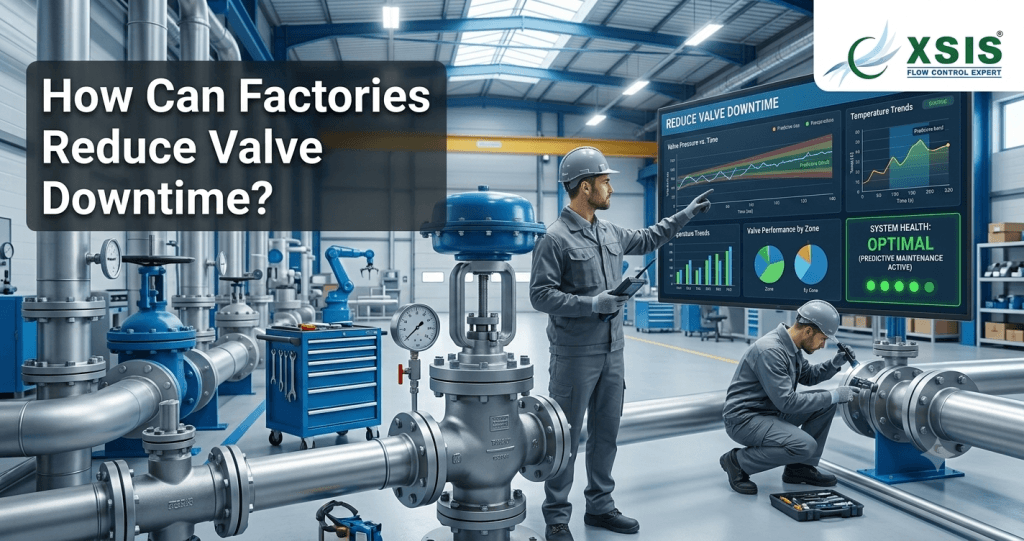
Valve downtime can considerably impact production schedules, overall operational performance, and maintenance fees in commercial enterprise facilities. Unexpected valve screw-ups regularly cause production interruptions, late deliveries, and elevated repair fees. Implementing proactive safety techniques permits factories to minimise those disruptions and maintain consistent productivity.
Ahmedabad factories can lessen valve downtime by specializing in preventive maintenance, worker education, and regular overall performance monitoring. Early detection of valve problems allows maintenance teams to schedule upkeep before failures occur. A preventive maintenance programme improves equipment reliability and allows for uninterrupted plant operations.
Effective Ways to Reduce Valve Downtime
- Implement Preventive Maintenance: Regular inspections and servicing help identify problems earlier than they become critical. This reduces the chance of surprising valve failures.
- Use Predictive Monitoring Tools: Monitoring strain, temperature, and valve performance can show early warning signs and symptoms. Maintenance agencies can then deal with problems proactively.
- Train Maintenance Personnel: Skilled technicians can diagnose and resolve valve issues more efficiently. Proper training improves prevention and response times.
- Maintain Critical Spare Parts: Keeping crucial valve components in inventory accelerates protection. This helps minimise delays because of waiting for replacement parts.
- Perform Root Cause Analysis: Investigating routine failures allows you to identify underlying issues. Corrective actions can then prevent comparable troubles in the future.
- Invest in High-Quality Valves: Reliable valves commonly require a terrific deal, much less safety, and experience fewer screw-ups. Quality machinery contributes to longer service life and decreased downtime.
When Should Industrial Valves Be Repaired or Replaced?
Determining whether or not to repair or replace a valve is predicated upon its condition, age, and operational necessities. Minor problems, such as a seal put on, loose connections, or small leaks, can regularly be repaired cost-efficiently. However, severe corrosion, cracks, or structural damage can also require replacement. Valves with repeated screw-ups may also become less reliable over the years. Replacing them can help keep industrial operations safe and green.
A thorough inspection enables upkeep companies to decide whether or not a valve may be repaired successfully. Comparing repair fees with alternative charges facilitates better safety choices. The valve’s age, performance, and availability of spare components ought to be considered. Modern valve technology may additionally provide improved overall performance, durability, and control. Replacing antique valves can reduce downtime and long-term protection costs.
How Can Ahmedabad Industries Select Reliable Valve Suppliers?
Selecting a dependable valve provider is an essential choice for Ahmedabad industries because the right valve quality now influences operational performance, protection, and maintenance costs. A trusted provider offers long-lasting products, technical specifications, and daily guidance, helping factories avoid common breakdowns and costly downtime. Choosing the right provider additionally ensures you get access to valves that meet specific industrial necessities.
Industries need to compare groups based on product quality, certifications, enterprise experience, and after-sales support. A supplier with a sturdy reputation and a wide range of valve options can better assist long-term operational needs. Careful business decisions allow corporations to enhance system reliability and reap higher returns on their investment.
Key Factors to Consider When Choosing a Valve Supplier
- Industry Certifications: Reliable suppliers provide valves that meet safety and protection requirements. Certifications imply adherence to established manufacturing practices.
- Product Quality and Materials: High-quality materials improve valve durability and overall performance in demanding industrial environments. Quality products, moreover, reduce maintenance needs.
- Wide Product Range: Suppliers with several valve services can meet unique application needs. This makes it less difficult to deliver more than one valve type from one business enterprise.
- Technical Expertise: Experienced suppliers can advise on appropriate valve solutions for unique techniques. Their guidance helps you avoid selection and installation errors.
- After-Sales Support: A strong after-sales company ensures quick assistance with maintenance, preservation, and troubleshooting. This helps minimise operational disruptions.
- Reputation and Customer Reviews: Positive purchaser feedback and organisation reviews reflect provider reliability. Reviewing client testimonials can help industries make informed decisions.
Conclusion
Industrial valves are essential components that help ensure safe and secure operations in Ahmedabad’s manufacturing sector. Understanding the Common Industrial Valve Problems & Maintenance Tips for Ahmedabad Factories enables protection companies to become aware of issues early, reduce downtime, and enhance system reliability.
Common issues, together with leakage, corrosion, sticking, and actuator failures, can be effectively managed through proactive maintenance techniques. By enforcing regular inspections, predictive maintenance programmes, proper lubrication, and excellent valve selection, factories can maximise overall valve performance and extend company longevity.
Investing in dependable carriers and preventive preservation practices not only reduces operational costs but also strengthens well-known plant productivity and protection. As commercial enterprise operations keep growing in Ahmedabad, powerful valve protection will stay a key detail in reaching long-term operational success.
Explore Our Recent Blog
- How to Choose the Right Industrial Valve Manufacturer in Ahmedabad
- Top Industrial Valve Suppliers in Ahmedabad: What to Look For
- Complete Guide to Industrial Valve Types for Ahmedabad Industries
- Best Industrial Valves for Water Treatment Plants in Ahmedabad
- Stainless Steel vs. Cast Iron Valves for Ahmedabad Industries
Frequently Asked Questions
1. What is the most common cause of industrial valve failure?
Valve leakage is one of the most common causes of valve-associated screw-ups. It frequently results from worn seals, damaged seats, corrosion, or incorrect setup. Regular inspections can help detect leaks earlier than they turn into a major problem.
2. How frequently do commercial valves need to be inspected?
Inspection frequency relies upon operating conditions and valve criticality. High-stress and extreme-temperature packages commonly require more frequent inspections. Most facilities gain from scheduled quarterly or annual maintenance programmes.
3. Can corrosion-resistant valves lessen upkeep expenses?
Yes, corrosion-resistant valves frequently require much less maintenance and provide longer service lives. Materials such as stainless steel and specialised alloys perform well in competitive commercial environments. Their durability helps reduce repair and replacement costs.
4. Why do valves end up hard to operate?
Valves may also end up difficult to operate due to dust accumulation, corrosion, insufficient lubrication, or worn components. Regular cleaning and lubrication help maintain clean operation. Preventive maintenance can save you from major sticking issues.
5. What is predictive valve protection?
Predictive maintenance includes monitoring typical equipment performance to become aware of growing problems before breakdowns occur. Technologies that include vibration evaluation and pressure monitoring offer valuable operational information. This technique reduces unexpected downtime and maintenance costs.
6. How can factories increase valve provider life?
Factories can extend valve life through regular inspections, proper lubrication, cleaning, and timely replacement. Selecting the right valve materials for the application is likewise important. Consistent preventive maintenance significantly improves reliability and durability.