
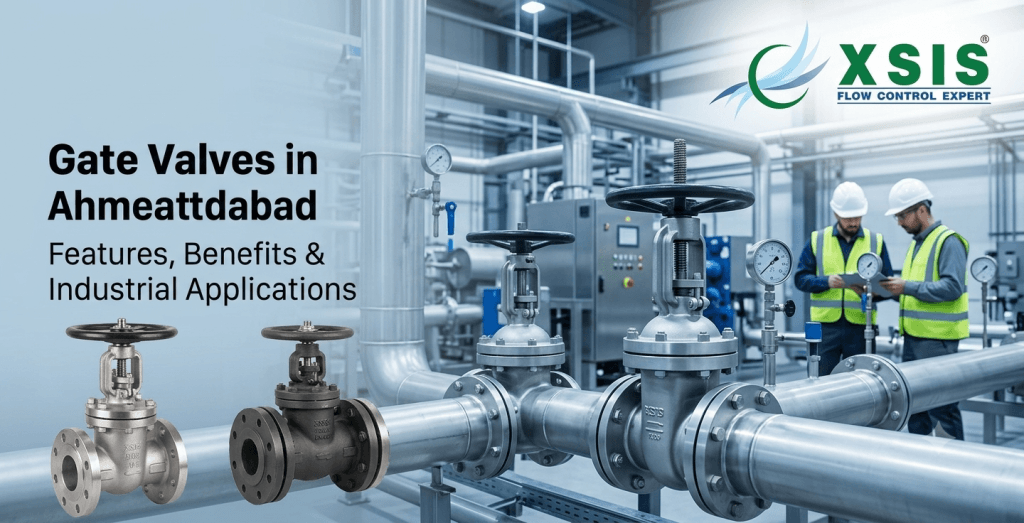
Industrial pipelines require reliable flow-management tools to alter, isolate, and manipulate fluids effectively. Among the most widely used isolation devices, gate valves are valued for their simple design, low pressure drop, and reliable near-off standard performance. In Ahmedabad, where manufacturing, chemical processing, pharmaceuticals, textiles, water treatment, and engineering industries operate on a large scale, choosing the right industrial valve can significantly impact plant performance and operational reliability.
Gate Valves in Ahmedabad: Features, Benefits, and Industrial Applications is a crucial undertaking to recollect for plant managers, engineers, procurement teams, renovation professionals, and employer clients looking for suitable pipeline solutions. These valves are commonly designed for fully open or fully closed operation, rather than throttling. Their potential to provide an unobstructed flow path at the same time as being completely open makes them beneficial at some stage in many commercial piping systems.
What Are Gate Valves, and How Do They Work?
A gate valve in Ahmedabad is an industrial valve that controls fluid flow by moving a gate vertically into or out of the flow path. When the valve is opened completely, the gate moves far away from the pipeline passage, allowing fluid to flow through the valve with very little resistance. When the valve is closed, the gate moves downward to most of the seating surfaces and blocks the flow.
The running mechanism usually consists of a handwheel, stem, gate, body, bonnet, and seating assembly. Depending on the format, gate valves can also use developing or non-developing stems and specific varieties of gate configurations. Because their number one reason is isolation in location, along with the glide regulation, they are commonly best when operated in truly open or absolutely closed positions.
What Makes Gate Valves Suitable for Industrial Pipelines?
- Low Flow Resistance: When fully open, gate valves provide a particularly smooth flow passage, which could minimise stress loss and support efficient pipeline operation.
- Reliable Isolation: Their close-off format makes them suitable for separating sections of commercial piping during maintenance, inspection, or emergency operations.
- Multiple Material Options: Gate valves may be made from materials consisting of solid iron, carbon steel, chrome steel, and distinct alloys to withstand harsh operating environments.
- Wide Application Range: They may be used in the course of water systems, chemical plants, oil and gas centers, utilities, strong vegetation, and modern-day approach industries.
- Different Pressure Ratings: Industrial gate valves are available in a wide range of pressure ratings and sizes, allowing engineers to tailor valve selection to system requirements.
- Manual or Automated Operation: Depending on plant necessities, gate valves can be operated manually or included with suitable actuation structures for remote or computerized control.
What Are the Main Features of Gate Valves Used in Ahmedabad Industries?
The important features of Gate Valves in Ahmedabad depend on their introduction, materials, stress score, connection type, and operating mechanism. Industrial clients usually consider factors consistent with the fluid being handled, pipeline dimensions, temperature, pressure, and frequency of operation. A properly determined valve needs to be well suited to the complete way surroundings in the vicinity of being determined on a splendid basis based on size or buy rate.
Ahmedabad’s business environment includes several programs so that valve requirements can vary drastically from one facility to another. A water-treatment plant may also prioritise corrosion resistance and dependable isolation, even as a chemical processing unit may require specialized substances and sealing arrangements. Understanding those features allows procurement and engineering groups to pick a business gate valve that offers reliable performance over its expected service life.
Which Gate Valve Features Should Engineers Check Before Selection?
- Valve Size: The nominal valve size has to correspond to the pipeline and connection specifications to ensure proper installation and equipment compatibility.
- Pressure Rating: Engineers need to pick a pressure rating suitable for the maximum operating pressure and expected approach conditions of the pipeline.
- Temperature Range: Valve materials, seals, and packing need to be suitable for the operating and layout temperatures of the software.
- Body Material: Carbon steel, stainless steel, cast iron, and other materials can offer one-of-a-kind levels of mechanical strength, durability, and corrosion resistance.
- End Connection: Flanged, threaded, socket-weld, and butt-weld connections may be available depending on valve layout and piping requirements.
- Stem and Seat Design: Stem manufacturing and seating materials affect overall running performance, sealing capability, upkeep requirements, and common valve operating conditions.
What Are the Benefits of Gate Valves for Industrial Applications?
One of the principal benefits of gate valves is their capability to provide powerful isolation while maintaining especially low flow resistance in the fully open position. This makes them useful where pipelines want to operate efficiently without introducing unnecessary losses. Their setup layout additionally makes them familiar to many maintenance groups, simplifying inspection and servicing strategies.
Another advantage is their versatility across specific business sectors. Properly specified gate valve benefits can encompass dependable shut-off, sturdy construction, long service life, and compatibility with quite a few commercial fluids. However, the ideal standard performance depends on the correct material selection, pressure and temperature ratings, proper installation, and suitable operating practices.
Why Do Industries Prefer Gate Valves for Isolation Service?
- Efficient Full-Open Flow: A completely open gate valve commonly offers a quite unobstructed passage, assisting in keeping efficient fluid movement through the pipeline.
- Effective Shut-Off: Gate valves are designed to isolate pipeline sections, making them beneficial in the course of maintenance, repair, inspection, and device opportunity.
- Robust Construction: Industrial variations can be built with robust metal bodies and components designed for harsh operating environments.
- Long-Term Utility: When properly selected, set up, and maintained, gate valves can offer reliable service over extended operating intervals.
- Broad Industrial Compatibility: They can be utilized in applications involving water, steam, air, hydrocarbons, and several other process fluids, subject to material compatibility.
- Maintenance Familiarity: Their conventional layout is well understood by way of the use of manner of corporation upkeep employees, which would aid in easier troubleshooting and servicing.
Which Industries in Ahmedabad Commonly Use Gate Valves?
Ahmedabad has a first-rate enterprise base, including engineering, chemical substances, prescription drugs, textiles, food processing, utilities, water treatment, and various manufacturing activities. These industries use considerable piping networks to move machine fluids, utilities, steam, water, chemical substances, and other media. Gate Valves in Ahmedabad can therefore serve several isolation functions for an unspecified period in the future of commercial business enterprise facilities.
The actual valve specification varies in keeping with every organization’s method necessities. Chemical applications may also require corrosion-resistant materials, pharmaceutical applications may also emphasise hygienic and controlled device conditions, while utility applications may prioritise dependable isolation and cost-efficient operation. Industrial valve providers therefore need to understand the software program’s operating situations before recommending a particular configuration.
Where Are Industrial Gate Valves Commonly Installed?
- Chemical Processing: Gate valves may be used for isolation in system lines carrying appropriate chemical materials and process fluids due to suitable fabric selection and strain requirements.
- Water Treatment: Treatment facilities can also use gate valves in raw-water, treated-water, distribution, and wastewater application pipelines wherein reliable water isolation is needed.
- Pharmaceutical Manufacturing: Suitable valve configurations can support process and method structures in which managed isolation and fabric compatibility are vital.
- Textile Manufacturing: Textile plants can use gate valves in water, steam, oil, and other useful resource piping systems at various points in production operations.
- Power and Utility Plants: Gate valves may be installed in water, steam, fuel, and auxiliary systems in which pipeline isolation is needed.
- General Engineering Industries: Manufacturing centers can use gate valves across compressed-air, water, cooling, and process-assist networks relying on system specs.
How Should You Select the Right Gate Valve for an Industrial Application?
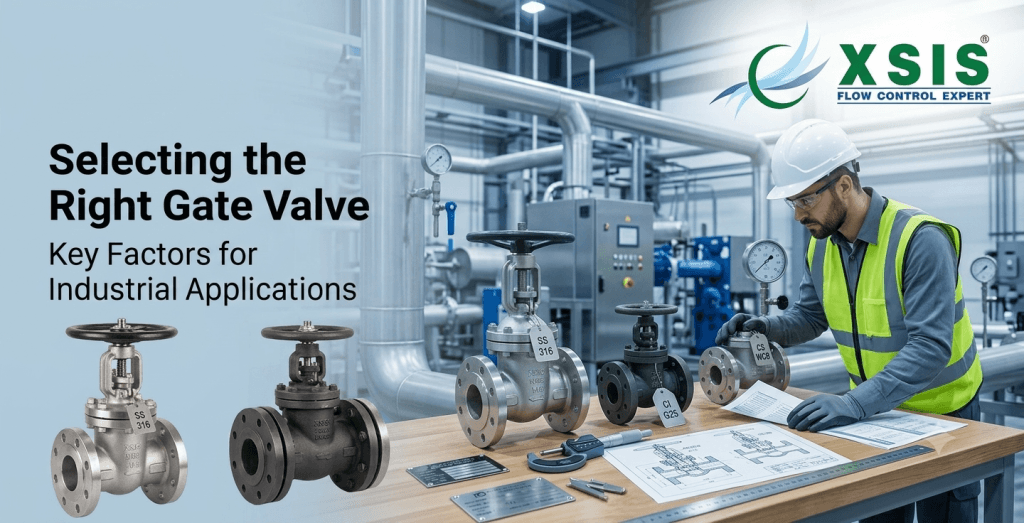
Selecting the correct gate valve calls for more than matching the valve diameter with the pipeline. Engineers have to take a look at fluid characteristics, working pressure, temperature, corrosion resistance, required flow capability, connection type, and setup surroundings. The anticipated frequency of operation must additionally be considered, as gate valves are normally intended for isolation and are not designed to prevent throttling.
A systematic gate valve selection tool can lessen the risk of premature failure, leakage, installation problems, and operational interruptions. Buyers should moreover study applicable manufacturing necessities, testing requirements, documentation, company reputation, and after-sales support. Working with a technically capable valve supplier can help ensure that the selected product aligns with the complete piping-tool requirements.
What Factors Should Be Evaluated Before Buying a Gate Valve?
- Fluid Compatibility: Identify the fluid, its chemical traits, suspended particles, and potential corrosive effects in advance before choosing valve materials and sealing components.
- Operating Pressure: Confirm regular, maximum, and surge pressure conditions so the selected valve has the right stress rating.
- Operating Temperature: Consider each-day and maximum temperatures because extreme conditions may additionally affect frame materials, seats, packing, and seals.
- Pipeline Size: Match the valve’s nominal length and connection configuration with the existing or planned piping system.
- Installation Conditions: Evaluate available space, orientation, accessibility, renovation clearance, and environmental conditions throughout the valve.
- Supplier Capability: Assess product quality, technical guidance, inspection procedures, documentation, shipping reliability, and experience serving commercial clients.
How Do Gate Valves Compare With Other Industrial Valves?
Gate valves are one of the numerous valve kinds available for business organizations for flow-control applications. Butterfly valves, globe valves, ball valves, check valves, and manual valves all serve first-rate operational capabilities. The accurate preference is based on whether or not the system calls for isolation, throttling, non-return protection, pressure control, or any other precise function.
A gate valve is normally most appropriate when complete isolation is the number one requirement, and the valve will generally live either fully open or fully closed. A globe valve is more suitable for mass throttling applications, while a ball valve can provide brief on-off operation and tight shutoff in suitable services. Understanding these versions prevents business customers from using a valve type outside its intended utility.
When Should Industries Choose Gate Valves Over Other Valve Types?
- For Pipeline Isolation: Gate valves are suitable, while the number one goal is to absolutely isolate a phase of piping in place of constantly regulate go together with the drift.
- For Straight-Through Flow: Their in-reality open configuration can provide a rather unobstructed passage; it is virtually useful in suitable pipeline applications.
- For Larger Pipeline Systems: Gate valves are available in a large variety of sizes, making them practical for many large commercial enterprise piping networks.
- For Infrequent Operation: They can be a sensible alternative wherein valves are opened or closed every so often for method isolation and upkeep.
- When Low Pressure Drop Matters: Their wafer design can assist in reducing resistance compared with some valve arrangements at the same time as being fully open.
- When Established Designs Are Preferred: Their conventional manufacturing and extensive industrial use make them familiar to many engineering and maintenance organizations.
How Can Gate Valves Improve Industrial Pipeline Efficiency and Safety?
Industrial overall performance is predicated upon the reliable movement of fluids, utilities, and one-of-a-kind media via interconnected piping structures. A well-selected gate valve can enable smooth pipeline operation by providing effective isolation and maintaining a clear flow path at the same time as it is open. This can be particularly useful in structures in which unnecessary flow restriction needs to be avoided.
Safety is a crucial concern due to the fact that commercial vegetation frequently requires sections of a pipeline to be isolated before protection or repair. Correctly established valves can assist operators in separating device and pipeline sections, reducing the functionality for unwanted go-together with the go-together with the waft sooner or later of servicing. However, valve protection relies upon proper engineering, setup, maintenance, and repair of the valve itself.
What Practices Help Maintain Gate Valve Performance?
- Inspect Regularly: Routine visual and operational inspections can identify leakage, corrosion, broken parts, or unusual operating resistance at an early stage.
- Avoid Improper Throttling: Gate valves must generally no longer be used as non-prevent throttling devices because the truth partial organising can make contributions to place on and unwanted go-with-the-flow situations.
- Check Packing and Seals: Periodic inspection of packing and sealing regions can help identify leakage and support well-timed corrective maintenance.
- Operate Correctly: Operators need to take a look at suitable starting and ultimate strategies in the vicinity of making use of excessive force on the handwheel or on the foot mechanism.
- Protect Against Corrosion: Appropriate material choice and environmental protection can help minimise corrosion-related deterioration in demanding environments.
- Maintain Records: Recording inspections, renovations, replacements, and running issues can assist upkeep corporations in planning preventive maintenance and reduce unexpected downtime.
Why Is Choosing a Reliable Gate Valve Supplier in Ahmedabad Important?
A reliable company contributes more than simply supplying a valve. Industrial buyers want confidence that the chosen product suits the required dimensions, materials, pressure rating, connection type, and operating conditions. Technical guidance before buying can help save you costly errors because of wrong specs or wrong valve materials.
For industries attempting to find Gate Valves in Ahmedabad, supplier evaluation should include product quality, production capabilities, inspection and testing practices, technical specifications, documentation, delivery performance, and customer service. A supplier familiar with Ahmedabad’s industrial necessities can also offer practical guidance for packages for the duration of chemical, pharmaceutical, fabric, water-treatment, engineering, and software facilities.
What Should Buyers Look for in an Ahmedabad Valve Supplier?
- Product Quality: Check whether or not the provider follows consistent production and advanced techniques for enterprise valve manufacturing.
- Technical Expertise: An informed supplier needs to have the ability to talk about pressure, temperature, material compatibility, valve sizing, and application requirements.
- Testing and Inspection: Ask about relevant inspection and testing processes to verify valve integrity and normal standard overall performance before dispatch.
- Application Support: Suppliers must understand distinct enterprise environments and help shoppers choose appropriate configurations for unique offerings.
- Documentation: Product specs, technical data, and first-rate required data can help procurement and warranty strategies.
- After-Sales Support: Responsive technical help and proper access to possible additives can be valuable for long-term commercial valve maintenance.
Conclusion
Gate Valves in Ahmedabad: Features, Benefits, and Industrial Applications is a valuable resource for industries looking for reliable answers for pipeline isolation. Gate valves provide a combination of sturdy construction, low drift resistance whilst fully open, effective close-off capability, and massive industrial enterprise applicability. Their usefulness extends throughout water treatment, chemical processing, pharmaceuticals, textiles, utilities, power, and heavy engineering applications.
The right valve has to be continually selected in keeping with the whole operating environment in place of rate or period by myself. Factors such as fluid compatibility, strain, temperature, materials, pipeline dimensions, connection type, setup conditions, and maintenance requirements influence the selection process. By partnering with a reliable commercial enterprise valve dealer and following appropriate inspection and maintenance practices, Ahmedabad industries can assist in stronger, greener, and more dependable pipeline operations.
Explore Our Recent Blog
- Best Industrial Valves for Water Treatment Plants in Ahmedabad
- Stainless Steel vs. Cast Iron Valves for Ahmedabad Industries
- Industrial Valve Problems and Maintenance Tips for Ahmedabad Factories
- Right Valve Material for Industrial Applications in Ahmedabad
- Top Applications of Ball Valves Across Ahmedabad Industries
Frequently Asked Questions
1. What are gate valves mainly used for in industrial applications?
Gate valves are usually used for keeping apart or shutting off sections of industrial pipelines. They are normally designed for either open or closed operation in locations where non-stop flow control is not required. Their unobstructed flow when fully open makes them suitable for industrial piping systems.
2. Why are gate valves commonly used in Ahmedabad industries?
Ahmedabad has several production and gadget industries that require reliable pipeline isolation for water, utilities, chemical substances, steam, and various other fluids. Gate valves can meet these necessities within the path of accurately designed structures. Their availability in unique sizes, materials, strain scores, and connection configurations furthermore enables several business applications.
3. How do I select the correct industrial gate valve?
Selection should take into account pipeline duration, fluid type, working pressure, temperature, material compatibility, connection type, and installation conditions. The anticipated going-for-walks frequency and protection requirements need to be evaluated as well. Consulting a technical valve company can help align the valve specification with the actual utility.
4. Can gate valves be used for flow regulation?
Gate valves are typically meant for isolation in place of non-frequent throttling. Keeping a gate valve in the open position for extended periods can bring about unwanted go-along-with-the-flow situations and extended trouble in some packages. Where specific and frequent flow regulation is wanted, a throttling valve, as it should be designed, may be more suitable.
5. What materials are available for industrial gate valves?
Industrial gate valves can be manufactured using materials including solid iron, carbon steel, stainless steel, and specialised alloys. The correct material is predicated upon stress, temperature, fluid characteristics, corrosion exposure, and unique company conditions. Material compatibility should generally be demonstrated in advance rather than selecting a valve for a specific application.
6. How can industries extend the service life of gate valves?
Regular inspection, correct operation, suitable installation, and timely protection can contribute to longer valve service life. Operators should avoid using gate valves outside their intended operating conditions and should address leakage, corrosion, or mechanical problems promptly. Maintaining inspection and safety records can also help identify recurring problems earlier, before they cause major downtime.