
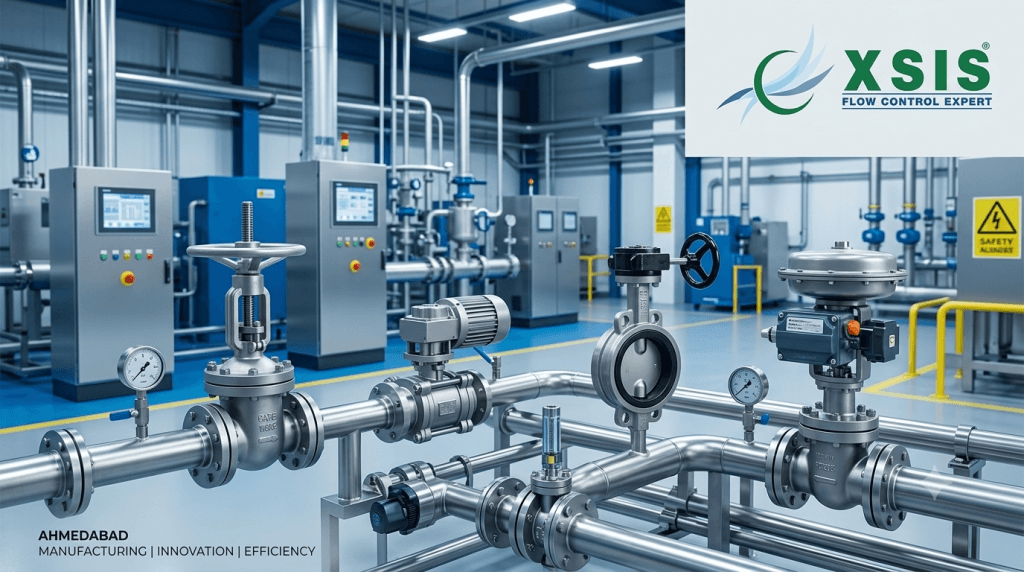
Ahmedabad has a strong industrial base, including chemical compounds, prescription drugs, textiles, food processing, engineering, petrochemicals, water treatment, and production. Across those centers, valves play a crucial role in controlling, separating, and directing liquids, gases, steam, and special process media. Choosing the right Industrial Valves for Safety and Efficiency in Ahmedabad can assist industries in maintaining dependable operations while decreasing the risks associated with out-of-control strain, leakage, and method interruptions.
Industrial valves are not simply pipeline components; they are critical additions to an industrial protection and process-management system. Gate valves, ball valves, butterfly valves, globe valves, check valves, and control valves are selected in line with pressure, temperature, flow requirements, media properties, and operating conditions. When properly selected, installed, and maintained, these valves can be a valuable resource for machine reliability, energy efficiency, equipment protection, and plant safety.
What Are the Main Applications of Industrial Valves in Ahmedabad Industries?
Industrial valves in Ahmedabad are used extensively in Ahmedabad’s industrial centers to control or stop the flow of fluids and gases. In production plants, valves can be installed on water pipelines, steam lines, compressed-air systems, chemical-processing equipment, cooling systems, fuel lines, and process networks. Their ability to isolate specific sections of a pipeline permits maintenance teams to work on a particular device without always shutting down a whole facility.
Different industries require precise valve designs due to the fact that their walking conditions are not equal. A pharmaceutical facility can also prioritise hygienic construction and corrosion resistance, while at the same time a material plant can also require dependable valves for steam, water, dyes, and application structures. Therefore, selecting Industrial Valves for Safety and Efficiency in Ahmedabad needs an easy understanding of the software program, working surroundings, and approach requirements initially.
Which Industrial Valve Types Are Commonly Used?
Gate valves in Ahmedabad are generally used in applications where full shut-off is needed, while ball valves provide quick shut-off and are appropriate for on/off applications. Butterfly valves are often determined on for large pipelines because of the fact they’ll offer green isolation with a fairly compact format. Globe valves are beneficial when throttling and flow control are required.
Check valves help prevent backflow, protecting pumps, compressors, and particular devices from potentially negative backflow situations. Control valves, in the interim, can routinely modify parameters on the side of flow, pressure, temperature, or liquid level at the same time as covered with appropriate instrumentation and automation structures. Selecting the right valve type is therefore critical for operational performance and industrial protection.
How Do Industrial Valves Improve Process Efficiency?
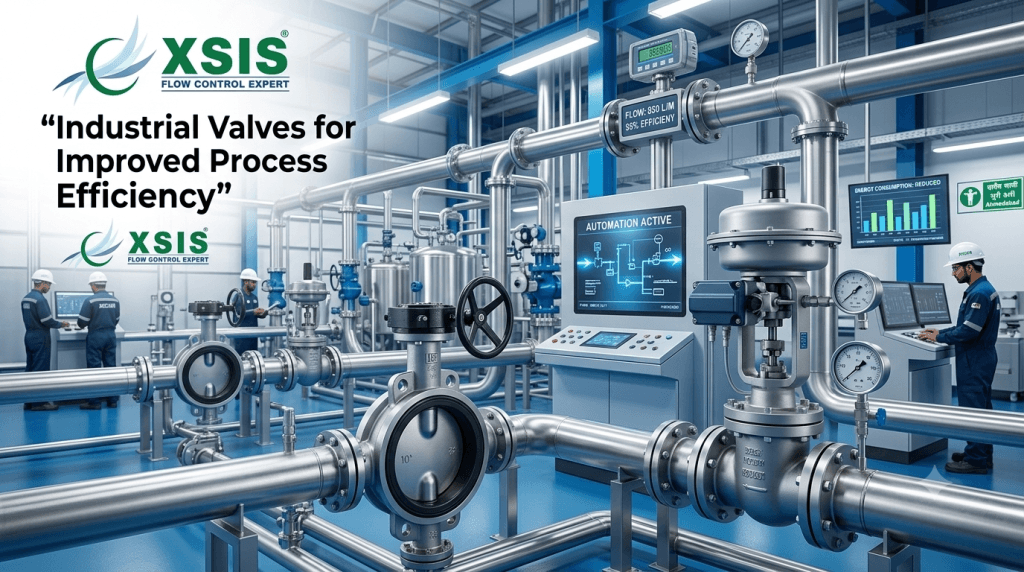
Efficient industrial valve selection could have an immediate effect on the overall performance and productivity of production processes. A valve that is effectively sized and suited to the process can flow efficiently while minimising unnecessary pressure losses. On the other hand, an incorrectly sized valve may increase pressure drop, consume additional energy, create unstable system conditions, or lead to premature failure. For industries running non-stop manufacturing operations, these inefficiencies can steadily increase operating and maintenance expenses.
For Ahmedabad industries, green float management is particularly crucial at some stage in water, steam, compressed-air, cooling, chemical, and machine-fluid systems. Using Industrial Valves for Safety and Efficiency in Ahmedabad, with appropriate float designs, strain ratings, materials, and actuation techniques, can help maintain consistent operating conditions. Regular inspection and preventive maintenance can further ensure that valves continue to operate efficiently at some stage in their service life.
How Do Industrial Valves Support Better Efficiency?
- Optimised Flow Control: Correctly selected valves help keep the specified flow rate without causing pressure drops. This facilitates smoother and more predictable operation.
- Reduced Pressure Loss: Proper valve sizing and design can minimise excessive pressure drops throughout pipelines. Lower pressure losses can improve the overall performance of pumps and related systems.
- Lower Energy Consumption: Efficient flow control can reduce the amount of electricity required to move fluids through company systems. This can contribute to lower operating costs over the years.
- Stable Process Conditions: Control valves can assist in keeping required drift, stress, temperature, or liquid levels. Consistent operating conditions can enhance product quality and operational reliability.
- Reduced Equipment Wear: Valves that can be effectively matched to the software can lessen unnecessary vibration, strain fluctuations, and mechanical strain.
- Improved Production Continuity: Reliable valves help keep things running smoothly with the flow and decrease unexpected interruptions. This can assist with better productivity and fewer unplanned shutdowns.
Which Industrial Valves Are Best for Different Ahmedabad Industries?
Different industries require unique valve designs because their operating conditions, working media, pressure requirements, and hygiene needs can vary widely. Chemical vegetation may additionally require corrosion-resistant valves for competitive media, at the same time as cloth facilities regularly use valves in steam, water, compressed-air, and dye-processing systems. Pharmaceutical and meals-processing industries can also place greater significance on hygienic production, cleanability, and appropriate materials.
Water-treatment centers, engineering vegetation, petrochemical operations, and current manufacturing gadgets moreover have one-of-a-kind valve requirements. Gate valves can be suitable for isolation, ball valves for quick on-off, butterfly valves for large pipelines, and globe or control valves for flow regulation. Therefore, deciding on Industrial Valves for Safety and Efficiency in Ahmedabad must commonly be based on the actual process requirements rather than relying on a one-size-fits-all approach.
Which Factors Should Guide Industrial Valve Selection?
- Process Medium: Identify whether or not the valve will handle water, steam, gas, oil, chemical substances, wastewater, slurry, or some other medium.
- Pressure Requirements: Check the normal and maximum working pressure before choosing a valve. The valve’s pressure rating has to be suitable for the real system conditions.
- Temperature Conditions: Operating temperature can affect valve bodies, seats, seals, and exclusive additives. Selecting substances designed for the typical temperature range can enhance reliability.
- Flow Requirements: Evaluate required flow rates and pressure-drop conditions before deciding on the valve type and layout. Proper sizing helps prevent excessive restriction or inefficient operation.
- Material Compatibility: Valve bodies, trims, seats, gaskets, and seals should be properly matched with the system medium. Appropriate material choice can lessen corrosion and untimely failure.
- Operating Method: Determine whether the valve is probably manually operated or requires an actuator and automation tool. Frequency of operation, accessibility, response time, and protection requirements all need to be considered.
How Do Valve Materials Affect Safety and Performance?
Valve materials have a significant impact on durability, corrosion resistance, temperature functionality, and compatibility with one-of-a-kind media. Common industrial valve materials include carbon steel, stainless steel, forged iron, ductile iron, brass, and specialized alloys. The suitable choice depends on the particular operating conditions, in conjunction with stress, temperature, chemical exposure, and mechanical demands.
For Ahmedabad industries dealing with corrosive chemicals, moisture, extreme temperatures, or demanding operating conditions, material compatibility is particularly important. The wrong fabric can become worse over time, resulting in leakage, decreased valve performance, or untimely failure. Selecting the right frame, trim, seat, gasket, and sealing materials can therefore contribute to safer operation and longer valve service life.
Why Is Material Selection Important for Industrial Valves?
- Corrosion Resistance: Suitable substances can withstand exposure to corrosive system media and commercial enterprise environments. This allows less deterioration and leakage risks.
- Temperature Resistance: Materials need to stay dependable under the temperatures encountered during normal and unusual operating conditions. This is especially crucial in steam and high-temperature applications.
- Chemical Compatibility: Valve components should be well compatible with the chemical substances they contend with. Proper compatibility can prevent swelling, cracking, corrosion, and seal deterioration.
- Longer Service Life: Choosing substances appropriate to the working surroundings can lessen premature wear and element failure. This can extend the long-term service life of the valve.
- Improved Sealing Performance: Material choice also applies to seats, gaskets, and seals. Compatible sealing components can help maintain reliable shut-off and minimise leakage.
- Better Operational Safety: Durable and well-suited materials lessen the risk of surprising valve deterioration. This facilitates more steady operation in demanding business environments.
How Can Ahmedabad Industries Reduce Valve Leakage and Downtime?
Valve leakage can occur for several reasons, including worn seals, damaged seats, corrosion, wrong setup, excessive stress, incompatible materials, and inadequate protection. Even a small leak can progressively bring about product loss, decreased performance, environmental issues, and similar preservation necessities. Identifying the underlying reason for leakage is consequently crucial, as opposed to repeatedly changing man or woman components without addressing the source of the problem.
An installation agency valve preservation programme can help Ahmedabad agencies become aware of growing problems in advance, before they turn out to be fundamental failures. Regular inspections, leak detection, actuator checks, useful findings, appropriate lubrication, and part replacement can improve valve reliability. Maintenance agencies have to provide precise attention to valves working under extreme strain, excessive temperature, corrosive, or non-preventive conditions.
What Practices Can Help Prevent Valve Leakage?
- Regular Visual Inspection: Inspect valves for visible leakage, corrosion, damaged additives, loose connections, or unique signs and symptoms of degradation.
- Seal and Seat Inspection: Seats and seals need to be checked regularly, depending on the valve type and operating conditions. Damaged or deteriorated sealing additives can drastically impact normal basic performance.
- Correct Installation: Valves need to be set up in keeping with appropriate technical requirements and manufacturer instructions. Incorrect installation can create mechanical strain and contribute to premature failure.
- Preventive Maintenance: Scheduled preservation permits groups to examine, lubricate, check, or replace components before major problems occur. This can lessen unplanned downtime.
- Leak Monitoring: Critical valves must be monitored for regular or developing leakage. Tracking maintenance statistics and leakage patterns can help identify valves that require repair or replacement.
- Proper Valve Operation: Operators should avoid forcing valves that are difficult to open or close. Excessive force can harm stems, seats, actuators, and unique internal components.
How Do Automated Valves Improve Industrial Efficiency?
Automated valves help organizations achieve faster, more consistent flow control and are much easier to integrate with modern-day smart management systems. Depending on the utility, actuated ball, butterfly, globe, and special valve types may be operated remotely through suitable management systems. Automation can lessen the need for operators to go to remote, hazardous, or hard-to-access places repeatedly.
Automated management valves can also respond to changing conditions using alerts from sensors, controllers, and specific instrumentation. This can help manage drift, strain, temperature, and liquid levels more accurately than manual operation in appropriate applications. For Ahmedabad industries trying to enhance productivity and process consistency, automatic business valves can be a vital part of a cutting-edge business control approach.
When Should Industries Consider Valve Automation?
- Frequent Valve Operation: Automation can be beneficial even as a valve wants to open and close over and over within the course of producing. It can provide everyday operation without relying on manual intervention.
- Remote Operation: Automated valves permit operators to govern the device from a remote or more secure region. This may be particularly valuable in large commercial enterprise facilities.
- Hazardous Environments: Automation can lessen the need for personnel to enter areas associated with heat, chemical materials, excessive stress, or safety risks. This can guide superior workplace protection.
- Precise Flow Regulation: Control valves can adjust to match the flow in response to signals from sensors and control systems. This can help maintain safer operating conditions.
- Emergency Response: Automated isolation systems can be designed to respond swiftly whilst particular safety situations are detected. Their suitability relies upon the plant’s safety and management-device format.
- Process Integration: Automated valves can be integrated with instrumentation and plant control systems. This can assist with better tracking, equipment optimisation, and operational consistency.
How Can Industries Choose Reliable Industrial Valve Suppliers in Ahmedabad?
Selecting a reliable provider involves more than evaluating product costs or checking whether or not a particular valve is available. Industrial agencies need to remember product quality, technical data, material specifications, quality control practices, documentation, lead-time availability, and after-sales support. A provider that is aware of the running software can help agencies select valves that might be technically appropriate for their unique needs.
For critical enterprise systems, supplier reliability can also have an impact on maintenance planning and long-term operational performance. Businesses ought to examine whether a dealer can provide special valve sorts, sizes, materials, stress commands, and actuation options at the same time as required. Building a reliable supplier relationship can make it much easier to supply replacement components, obtain technical support, and maintain consistent valve performance over time.
What Should Industries Look for in a Valve Supplier?
- Product Quality: Suppliers need to provide valves manufactured to suitable standards and specifications. Consistent product quality can help ensure reliable overall performance and longer service life.
- Technical Expertise: A knowledgeable supplier ought to apprehend valve selection consistent with pressure, temperature, medium, flow, and application requirements.
- Material Information: Suppliers must be able to offer applicable material information when required. This allows technical groups to verify compatibility with the intended machine conditions.
- Testing and Documentation: Appropriate technical documentation and testing information can help companies verify valve specifications. This is particularly critical for critical commercial employer programs.
- After-Sales Support: Maintenance help, spare parts, troubleshooting, and technical help can become essential at some stage in the valve’s operational life.
- Application Understanding: The provider needs to focus on the real commercial software program in order to actually present a valve based on dimensions.
How Can Industrial Valves Support Sustainable Industrial Operations?
Industrial overall performance and sustainability are closely related because leakage, excessive pressure loss, instability, and tool downtime can waste energy and resources. Well-maintained valves can assist industries in managing media more effectively and avoiding avoidable losses. This is especially relevant for facilities dealing with large volumes of water, steam, compressed air, chemicals, gas, or other business assets.
The right valve selection can also contribute to longer equipment life by enabling reliable isolation and supporting flow control. When valves perform correctly, they can help protect pumps, heat exchangers, pipelines, tanks, and other equipment from improper operating conditions. Combining appropriate valve choice with preventive maintenance, tracking, and automation can help Ahmedabad industries move towards more reliable, efficient, and environmentally friendly operations.
How Can Valve Management Support Sustainability?
- Reduced Fluid Loss: Properly functioning valves can minimise leakage of water, chemical substances, steam, gases, and other machine media. Reducing losses can enhance useful resource utilisation.
- Lower Energy Waste: Efficient valve operation can help reduce wasted energy losses in industrial systems. This can help reduce unnecessary operation of pumps and associated devices.
- Longer Equipment Life: Reliable valve operation can help protect related tools from excessive strain, contrary to going together with the float or unstable operating conditions.
- Fewer Emergency Repairs: Preventive valve upkeep can discover deterioration earlier than it results in major failures. Planned maintenance can reduce waste associated with emergency repairs and downtime.
- Improved Resource Management: Accurate control of technical fluids can help industries use water, steam, chemical compounds, and one-of-a-kind properties more effectively.
- Support for Modernisation: Automated monitoring and management can assist industries to identify inefficiencies and optimise valve performance overall. This can assist gradual enhancements in plant performance and sustainability.
Conclusion
Industrial valves are essential components in Ahmedabad’s production and processing sectors, wherein secure flow control, dependable isolation, and reliable device operation are crucial. From water and steam systems to chemical processing, compressed air, cooling networks, and automated production strains, the proper valve may also have an impact on overall operational performance and workplace safety. The value of Industrial Valves for Safety and Efficiency in Ahmedabad comes from more than the valve itself.
Correct sizing, appropriate materials, right setup, preventive safety, automation where appropriate, and reliable technical assistance all contribute to reliable valve performance. By treating valve choice and protection as part of an integrated business method, Ahmedabad corporations can lessen leakage, improve overall performance standards, minimise downtime, protect machinery, and create safer working environments.
Explore Our Recent Blog
- Gate Valves in Ahmedabad: Features, Benefits, and Industrial Applications
- Globe Valves in Ahmedabad: Working Principle and Common Uses
- Check Valves in Ahmedabad: Types, Benefits, and Installation Guide
- High-Pressure Industrial Valves in Ahmedabad
- Industrial Valve Maintenance Checklist for Ahmedabad Plants
Frequently Asked Questions
1. Why Are Industrial Valves Important for Ahmedabad Industries?
Industrial valves manage, adjust, and isolate technical fluids and gases in the course of manufacturing and processing centers. They can help protect machinery, manage flow, reduce leakage, and support safety standards. Selecting Industrial Valves for Safety and Efficiency in Ahmedabad, in line with real-world requirements, can improve overall plant reliability.
2. Which Valve Is Best for Industrial Applications?
The first-class valve is predicated on the software application, consisting of pressure, temperature, flow rate, medium, and required operating characteristics. Ball, gate, butterfly, globe, check, and control valves each serve a different function. A technical evaluation has to be completed before selecting a valve for a crucial commercial enterprise.
3. How Do Industrial Valves Improve Workplace Safety?
Valves permit operators to isolate equipment and manage the flow of potentially hazardous media. Properly functioning isolation valves can help limit the release of chemical substances, steam, gases, or one-of-a-kind method fluids during maintenance or normal operations. Reliable valve operation therefore forms a critical part of workplace safety.
4. How Can Industries Prevent Industrial Valve Leakage?
Industries can lessen leakage via accurate valve choice, suitable materials, proper installation, regular inspections, and preventive maintenance. Seals, seats, stems, and body connections have to be checked in keeping with provider situations. Early identification of deterioration can prevent minor leakage from growing into a larger operational hassle.
5. Are Automated Valves Suitable for Ahmedabad Manufacturing Plants?
Automated valves can be suitable at the same time as routine operation, remote control, precise regulation, or improved operator safety is needed. They may be included with plant control systems to regulate process conditions and reduce manual intervention. The valve, actuator, instrumentation, and control system must be decided on collectively for reliable normal performance.
6. How Should Businesses Select an Industrial Valve Supplier?
Businesses must take a look at product quality, technical specifications, material compatibility, location, documentation, availability, and after-sales support. The dealer wants to understand the plant’s operating conditions rather than virtually providing a valve based mostly on price. Working with a reliable provider can mean more steady installations, higher reliability, and more consistent long-term performance.